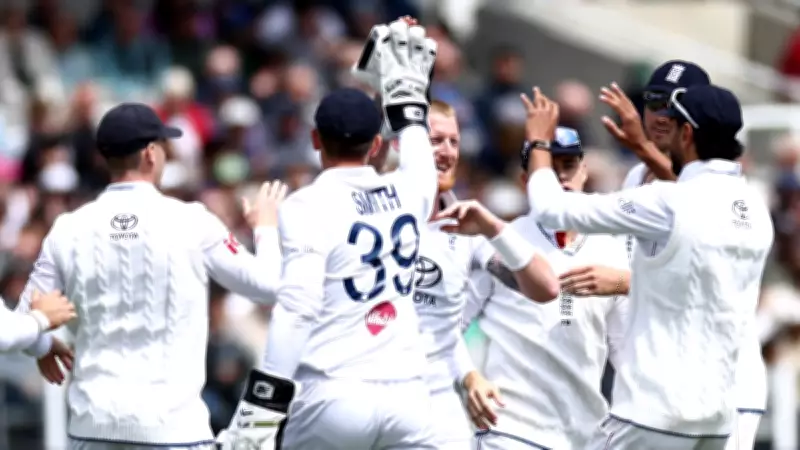
The Marylebone Cricket Club (MCC) has ended its silence regarding the controversial pitch at Lord's that saw England defeat New Zealand in just 996 balls during the first Test in June 2026. The match, which concluded in under three days, sparked widespread debate about the quality of the surface.
MCC's Official Statement
In a statement released on Tuesday, the MCC acknowledged concerns but defended the pitch, stating it was not dangerous and offered a fair contest between bat and ball. The club noted that the pitch had been prepared under standard procedures and had received an average rating from the International Cricket Council (ICC) pitch inspector.
Reactions from Players and Experts
England captain Ben Stokes praised the pitch for providing an exciting spectacle, while New Zealand skipper Tim Southee expressed disappointment, saying it did not allow for a proper Test match. Cricket pundits have been divided, with some calling for stricter pitch standards and others arguing that such surfaces add variety to the game.

- Fast bowlers dominated: The pitch offered significant seam movement and bounce, leading to low scores.
- Batting struggles: Only two centuries were scored in the match, both by England's Joe Root.
- Match duration: The Test lasted only 996 balls, making it one of the shortest in recent history.
ICC's Role and Future Implications
The ICC is expected to review the pitch rating system following this incident. Some former players have suggested that pitches should be rated based on the duration of the match and the balance between bat and ball, rather than just safety. The MCC has promised to work with the ICC to ensure that Lord's continues to host high-quality Test cricket.
This incident has reignited the debate about pitch preparation in Test cricket. While some advocate for more bowler-friendly surfaces to produce results, others warn that excessive assistance for bowlers could undermine the traditional format. The MCC's statement aims to reassure fans that Lord's remains committed to fair play.