Mexico Cartel Violence Casts Shadow Over 2026 FIFA World Cup Security
The 2026 FIFA World Cup, set to be hosted jointly by the United States, Canada, and Mexico, is facing unprecedented security challenges following a major outbreak of violence in Mexico. The unrest was triggered by a military operation that resulted in the death of notorious drug cartel leader Nemesio Rubén Oseguera Cervantes, widely known as El Mencho.
Violent Repercussions in Guadalajara
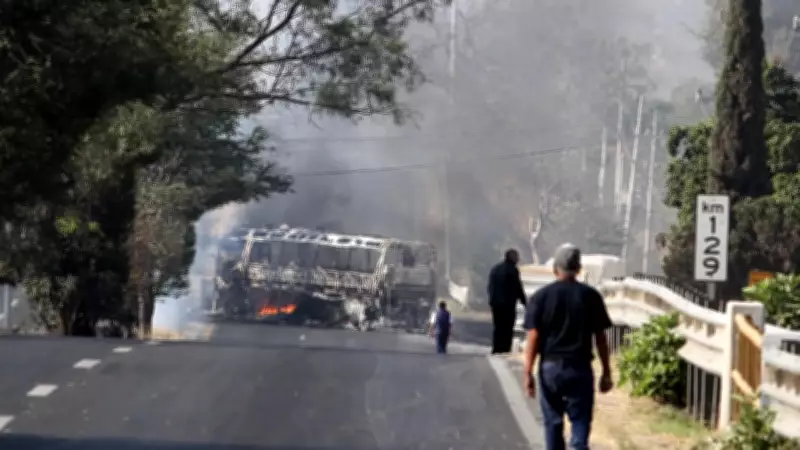
Following El Mencho's death, members of the powerful Jalisco New Generation Cartel launched coordinated revenge attacks across Guadalajara, one of Mexico's key host cities for the World Cup. The city descended into chaos with armed individuals flooding the streets, establishing roadblocks with burning vehicles, and even storming parts of Guadalajara International Airport.
Eyewitnesses reported gunfire and panic at the airport, causing tourists to flee for safety. Thick smoke blanketed parts of the city, creating scenes reminiscent of a battlefield. Local authorities responded swiftly by declaring a code red alert, suspending public transportation, closing schools, and canceling large public gatherings.

Immediate Impact on Football Events
The violence has already disrupted Mexico's football calendar. A scheduled friendly match between Mexico and Iceland in Queretaro was canceled, while domestic league matches including the highly anticipated Chivas vs America clash were postponed. One match was abandoned entirely after gunfire was heard near the stadium.
With just over 100 days remaining before the World Cup kickoff, these developments raise critical questions about security preparedness. Guadalajara's Estadio Akron is scheduled to host several group-stage matches in June, including key fixtures that will attract thousands of international fans.
International Response and Travel Warnings
Global governments have reacted to the escalating situation with urgent travel advisories. Global Affairs Canada warned of "high levels of organized crime activity across parts of Mexico", while both the United States and United Kingdom advised their citizens to avoid Guadalajara and surrounding areas.
These warnings come at a particularly sensitive time as football federations, teams, and fans worldwide begin finalizing travel arrangements for the tournament. Mexico is scheduled to host 13 matches across three cities: Mexico City, Monterrey, and the now-volatile Guadalajara.
Security Concerns for the Global Tournament
The timing of this violence presents a significant challenge for tournament organizers and Mexican authorities. While officials insist that efforts are underway to restore order, the ongoing instability threatens to overshadow preparations for what should be football's premier global event.
Key security questions that have emerged include:
- Can adequate security be guaranteed for players, officials, and spectators?
- Will the violence deter international fans from traveling to Mexican host cities?
- How will authorities prevent similar incidents during the tournament itself?
- What contingency plans exist if security situations deteriorate further?
The situation remains fluid, with Mexican authorities working to contain the cartel violence while simultaneously preparing for one of the largest sporting events in history. The coming weeks will be crucial in determining whether security measures can be effectively implemented to ensure a safe and successful tournament for all participants and visitors.