Mike Vrabel Controversy Ignites Debate Over Leadership and Accountability
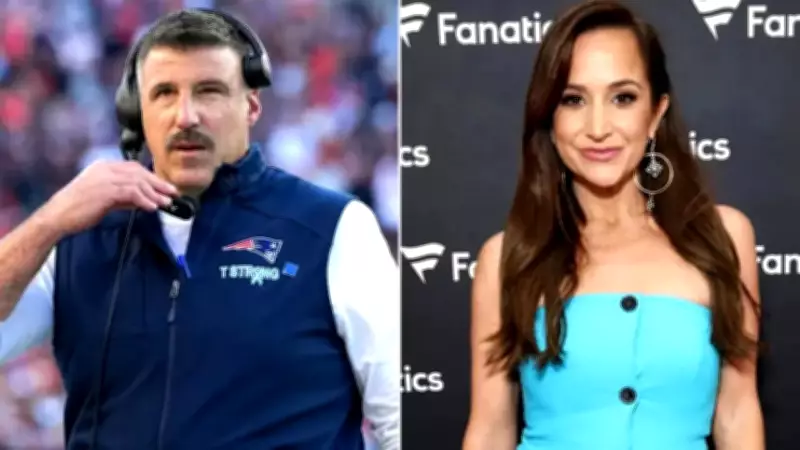
The narrative surrounding NFL coach Mike Vrabel has abruptly shifted in an unexpected direction, moving beyond typical discussions of strategy and gameplay to focus intensely on matters of perception and consistency. A viral social media post has juxtaposed his past public statements with recent personal actions, sparking widespread scrutiny and leaving fans, analysts, and casual observers alike grappling with what appears to be a glaring contradiction.
How a Single Tweet Fueled a National Conversation
What distinguishes this situation is its rapid escalation from a minor online mention to a full-blown public debate. It began with a post from sports media professional Jon Root, which effectively ignited broader conversations about leadership standards and accountability within professional sports. In the high-stakes environment of the NFL, where public image often rivals on-field performance in importance, even seemingly minor incidents can accumulate significant weight. However, this particular controversy feels substantially more impactful.
The core of the allegation stems from Root's tweet, which stated: “Mike Vrabel: Insinuates his Christian RB is ‘uneducated’ after defending Jaden Ivey, & warns him about sharing personal beliefs because they ‘represent the team’ & ‘the organization.’ Vrabel days later: Goes to an adults-only resort with NFL Insider Dianna Russini. They’re seen interlocking fingers & hanging by the pool. What a hypocrite.”

Examining the Perceived Double Standard
The reference to Jaden Ivey connects directly to Vrabel's previously articulated stance on how athletes should conduct themselves in public forums. At that time, his comments were interpreted as a coach's standard effort to safeguard the team's reputation—a common practice in professional sports where individuals are frequently reminded that their words and behaviors reflect upon the entire organization.
However, the online discourse has undergone a dramatic transformation following the emergence of photographs depicting Vrabel spending leisure time with NFL insider Dianna Russini at an exclusive adults-only resort. For many critics, the issue is not the outing itself, but rather the stark contrast it presents. They argue that if players are instructed to remain vigilant about how they represent the team publicly, then similar expectations must logically apply to those in leadership positions, including the head coach.
Divergent Perspectives and the Social Media Amplification Effect
Nevertheless, consensus remains elusive. A segment of fans maintains that personal life and professional responsibilities should remain separate domains. They view the backlash as an overreaction, attributing it to social media's tendency to magnify every incident beyond its original scope. Conversely, others assert that leaders bear a heightened responsibility to model the behavior they demand from others, regardless of personal preferences.
This inherent tension is precisely what renders the story so compelling. It transcends a single social media post or one coach's actions; it underscores the velocity at which narratives propagate in the digital age and the considerable challenges involved in managing public perception once a story gains momentum. The episode serves as a poignant case study in modern sports media dynamics, where personal conduct is increasingly scrutinized under the unforgiving lens of online commentary.