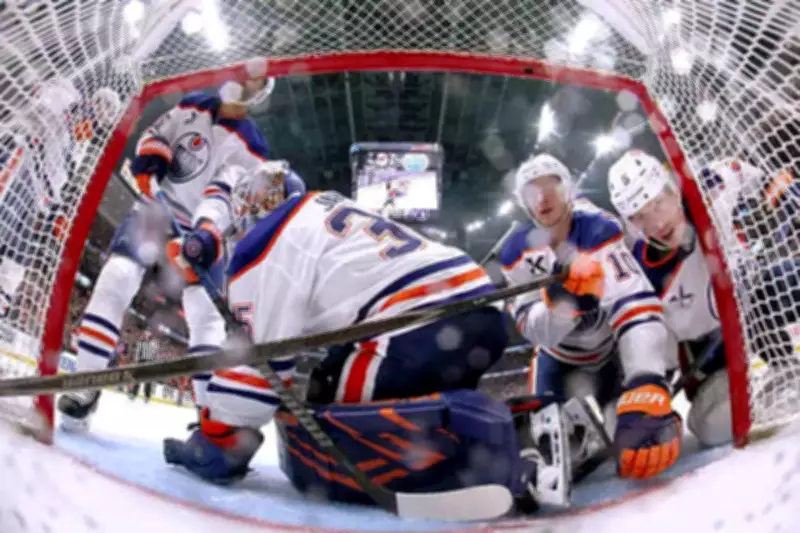
The NHL playoffs have once again showcased the power of the overtime rule in 2026, proving to be a decisive factor in big games. Playoff hockey is delivering wild, extended battles that differ significantly from the regular-season format, with numerous sudden-death endings already witnessed.
Understanding NHL Playoff Overtime Rules
Unlike regular-season overtime, playoff overtime can end at any moment, testing both endurance and accuracy for a winner. This format has already influenced several key outcomes, with the NHL news roundup focusing heavily on the overtime drama. The NHL playoff overtime uses a sudden-death, 5-on-5 format where the first goal wins the game. Full 20-minute periods are played after a regular intermission until a winner is decided.
Impact on 2026 Match Results
Many 2026 NHL match results have seen dramatic finishes as a result of this structure. Teams take a 15-minute break and then return to the ice. If no goal is scored, additional overtime periods continue with the same format. No shootouts are used, prioritizing gameplay over skill challenges. Recent NHL updates show this format has been highly impactful. In other games, Anaheim Ducks' Ryan Poehling scored a sudden-death goal early, and Vegas Golden Knights' Shea Theodore netted a late overtime winner. Wyatt Johnston of the Dallas Stars added another double-overtime goal, demonstrating that endurance is tested in extended play.

No Shootouts, Emphasis on Team Depth
With no shootouts, all emphasis is on team depth and in-game adjustments. Matt Boldy of the Minnesota Wild and Lane Hutson of the Montreal Canadiens are players who have capitalized on these opportunities, turning tight games into series-defining wins. From an NHL game preview perspective, teams are now preparing for longer games, rotating lines efficiently, and maintaining defensive discipline. Coaches stress the need to avoid errors, as a single mistake can immediately end the game.
Marathon Overtime Tradition
The NHL has seen marathon overtime games in the past with multiple periods, and the 2026 postseason is keeping that tradition alive. The current format strikes a good balance between fairness and maximizing competition, aligning with the league's emphasis on decisive results. NHL trade rumors and team strategies are evolving, with overtime play becoming a major factor in postseason success. The 2026 playoffs have revealed that any team wanting to advance must be able to handle sudden-death situations.