New Zealand Cricketers Pay Silent Tribute During Raipur T20I
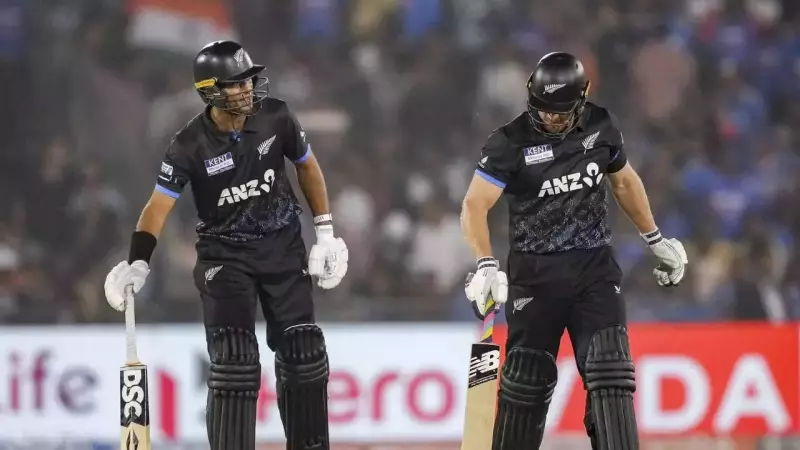
In a poignant moment during the second T20 International against India in Raipur on Friday, the New Zealand cricket team wore black armbands as a mark of respect for victims of recent natural disasters back home. The somber gesture highlighted the human side of international sports, where athletes carry personal and national concerns even while competing at the highest level.
Remembering the Storm Victims
The black armbands were specifically worn in memory of those affected by severe storms and devastating landslides in New Zealand's upper North Island. The tragedy unfolded on January 22 when heavy rainfall triggered dangerous flooding and a catastrophic landslide at a campsite in Mount Maunganui. This natural disaster claimed two lives, leaving the nation in mourning and the cricket community reflecting on the fragility of life beyond the boundary ropes.
Match Context and Toss Decision
The tribute occurred as India won the toss and elected to field first, putting New Zealand in to bat. The visitors, trailing 0-1 in the three-match series, were determined to level the contest. The overcast conditions at Raipur's Shaheed Veer Narayan Singh International Stadium created an atmospheric backdrop for what would become an emotionally charged match.

Openers Lead with Purpose
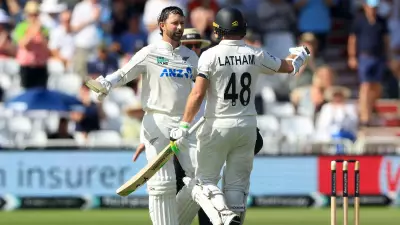
New Zealand openers Devon Conway and Tim Seifert walked out to bat wearing the symbolic black armbands, carrying both their team's hopes and their nation's grief. Conway began with remarkable intent, striking four boundaries in the very first over bowled by Indian pacer Arshdeep Singh, including an impressive six over backward point that demonstrated his aggressive approach.
Seifert complemented his partner's aggression with a brisk 24 runs off just 13 deliveries, showing positive intent from the outset. However, both openers fell relatively early in the innings. Conway mistimed a slower delivery from debutant Harshit Rana in the fourth over, while Seifert departed soon after, leaving New Zealand at a crucial juncture.
Middle Order Resilience
Following the early dismissals, New Zealand captain Mitchell Santner and talented left-handed batter Rachin Ravindra stepped up with fighting knocks that stabilized the innings. Their partnership and subsequent contributions from the middle order helped New Zealand post a challenging total of 208/6 in their allotted 20 overs, setting India a substantial target to chase.
Team Changes and Strategic Decisions
Earlier in the day, India captain Suryakumar Yadav made the strategic decision to bowl after winning the toss. The Indian team management implemented two changes to their playing XI, bringing in young pacer Harshit Rana and wrist-spinner Kuldeep Yadav. Star fast bowler Jasprit Bumrah was rested as part of workload management, while all-rounder Axar Patel missed the match after sustaining a knock in the previous game.
New Zealand responded with three changes to their side, including Zak Foulkes, Matt Henry, and Tim Seifert in the starting lineup. These adjustments reflected both teams' tactical approaches to the crucial match, with New Zealand particularly keen to bounce back after their series-opening defeat.
Beyond the Boundary
The black armbands served as a powerful reminder that sports exist within a broader human context. While athletes compete with fierce intensity on the field, they remain connected to real-world events and tragedies that affect their communities. This gesture demonstrated how cricket can serve as a platform for solidarity and remembrance, transcending national rivalries to acknowledge shared human experiences.
The match in Raipur thus became more than just a sporting contest—it transformed into an occasion where athletic competition intersected with human compassion, where boundaries and runs shared significance with remembrance and respect for lives lost to natural calamities.