Opposition Leaders Condemn BCCI Following Pakistan's Decision to Boycott T20 World Cup Clash
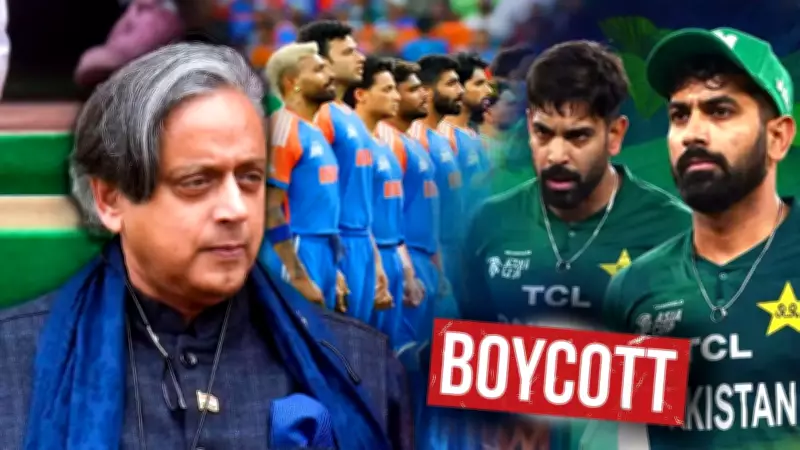
The longstanding cricket rivalry between India and Pakistan has taken a dramatic and contentious turn. Pakistan's announcement that it will boycott its scheduled match against India in the ICC T20 World Cup 2026 has sparked fierce political backlash in New Delhi, with opposition members of parliament directing their ire at the Board of Control for Cricket in India.
Political Firestorm Erupts Over Cricket Diplomacy Failure
Senior political figures have launched scathing attacks on the BCCI, accusing the cricket board of mishandling the situation and failing to uphold the spirit of the sport. Congress leader Shashi Tharoor described the escalating standoff as "disgraceful" and called for immediate de-escalation. Tharoor urged all parties involved to "call off this nonsense" and work toward restoring cricket's traditional role as a bridge between nations, emphasizing that sports should transcend political tensions.
Accusations of Strategic Failure and Weak Leadership
Shiv Sena MP Priyanka Chaturvedi delivered particularly harsh criticism, accusing the BCCI of strategic failure in the face of Pakistan's decisive action. Chaturvedi pointed out that despite India's financial dominance in world cricket, Pakistan has demonstrated greater resolve by being willing to face potential fines and sanctions for their boycott decision. This contrast, she argued, exposes weaknesses in India's approach to international cricket diplomacy.

Broader Implications for International Cricket
The boycott episode has revealed deeper fault lines within the global cricket community that extend beyond the traditional India-Pakistan rivalry. The controversy highlights growing tensions between commercial power and sporting purpose in international cricket governance. With Pakistan prepared to accept financial penalties for their principled stand, questions are being raised about whether cricket's governing bodies prioritize revenue over the fundamental spirit of the game.
This development comes at a critical juncture for cricket diplomacy between the two neighboring nations. The boycott threatens to further strain relations that have already been tested by political and security concerns. Cricket enthusiasts and analysts alike are watching closely to see how the International Cricket Council will respond to this unprecedented situation and whether diplomatic channels can be reopened to salvage what has traditionally been one of sports' most anticipated contests.