Opposition Leaders Condemn India-Pakistan Cricket Match Following Recent Terror Attacks
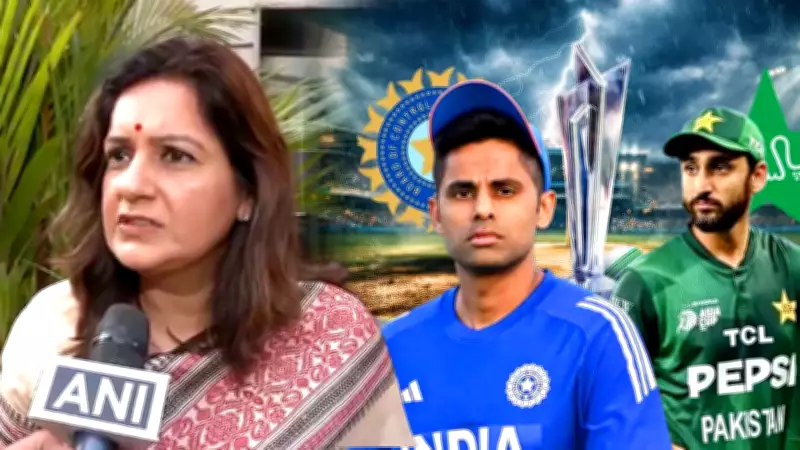
The highly anticipated India-Pakistan encounter scheduled for the ICC T20 World Cup 2026 has ignited a significant political controversy, exposing deep divisions regarding the intersection of sports, national security, and diplomatic relations. This debate has intensified in the wake of recent terror incidents in Pahalgam and Delhi, with opposition figures arguing that proceeding with the cricket match sends conflicting messages about India's stance on terrorism.
Strong Opposition Voices Against the Match
Leading the criticism, Priyanka Chaturvedi has voiced strong opposition to the cricketing fixture. She contends that engaging in a sporting event with Pakistan while the nation grapples with the aftermath of terror attacks fundamentally undermines India's declared zero-tolerance policy toward terrorism. Chaturvedi argues that this represents a severe misplacement of national priorities, suggesting that the government's focus should remain squarely on security and justice rather than on the cricket pitch.
Echoing these sentiments, Manoj Jha has raised serious concerns about the optics and implications of the situation. He warns that any perceived ambiguity or symbolic gestures associated with playing the game could significantly weaken India's image on the global stage. Jha emphasizes that in the current climate, clarity and firmness in foreign policy, especially concerning nations linked to cross-border terrorism, are paramount.

A Contrasting Perspective in Favor of the Game
Offering a divergent viewpoint amidst the criticism, Bihar minister Ashok Choudhary has advocated for a separation between sports and geopolitical conflict. He firmly stated that cricket must not be equated with war, urging the nation to adopt a forward-looking approach. Choudhary expressed confidence in the Indian cricket team's ability to secure a victory, framing the match as an opportunity for national pride and unity rather than a diplomatic concession.
This clash of opinions highlights the ongoing tension in India's approach to Pakistan, balancing hardline security policies with the cultural and economic dimensions of international cricket. The debate extends beyond the boundary rope, touching on core questions of national dignity, diplomatic signaling, and the role of sports in complex bilateral relationships. The government has yet to issue an official statement regarding potential changes to the match schedule or participation, leaving the sporting community and political observers awaiting further developments.