Pakistan's Selective Boycott of India Match in T20 World Cup 2026 Sparks ICC Warning
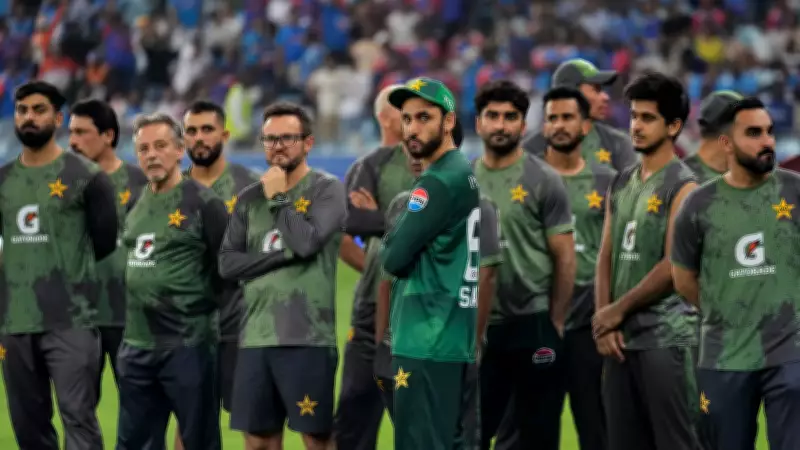
In a dramatic development that has sent shockwaves through the cricketing world, the Government of Pakistan has announced a selective boycott of the upcoming ICC Men's T20 World Cup 2026. While granting approval for the national team to participate in the tournament beginning February 7, the government has explicitly stated that Pakistan "shall not take the field" for the highly anticipated group-stage match against arch-rivals India scheduled for February 15 in Colombo.
Political Protest Behind the Boycott Decision
The decision, confirmed through an official government statement on social media, is widely viewed as a political protest following the ICC's controversial removal of Bangladesh from the tournament. Bangladesh had requested to move their matches from India to Sri Lanka on security grounds, a request that was ultimately rejected by the International Cricket Council. This rejection led to Bangladesh's replacement by Scotland in the tournament lineup.
In response to Bangladesh's exclusion, the Pakistan Cricket Board had earlier indicated it would reassess its participation in solidarity with their fellow cricket-playing nation. This stance has now materialized into selective participation rather than a complete withdrawal from the global tournament.

ICC's Strong Reaction and Warning of Consequences
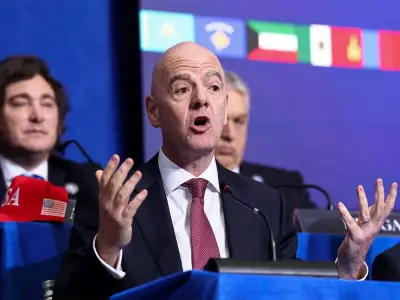
The International Cricket Council has reacted strongly to Pakistan's decision, questioning the government's move and warning of potential punitive sanctions. In a strongly worded statement, the global governing body expressed deep concern about the precedent being set by selective participation in ICC events.
"Such actions undermine the fundamental principles on which ICC tournaments are built," the statement read. "While we respect the role of governments in matters of national policy, selective participation is not in the interest of the global game or the welfare of fans worldwide, including millions in Pakistan."
The ICC urged the PCB to carefully consider the "significant and long-term implications" for cricket in Pakistan, noting that such decisions could impact the broader global cricket ecosystem of which Pakistan has been a consistent beneficiary.
Massive Commercial Fallout Expected
The financial implications of missing the India-Pakistan clash are staggering. As the single biggest revenue driver in any ICC tournament, this marquee fixture typically draws peak global viewership, massive sponsorship interest, and premium broadcast rates. Industry estimates suggest broadcasters could face advertisement revenue losses ranging between Rs 200 crore and Rs 250 crore due to the cancelled match.
A 10-second commercial slot during an India-Pakistan encounter reportedly commands up to Rs 40 lakh, highlighting the premium nature of this sporting spectacle. Beyond immediate financial losses, the absence of this fixture could have knock-on effects on sponsorship valuations and overall tournament economics, explaining why the ICC is particularly concerned about the commercial ramifications.
Sporting Consequences and Walkover Protocol
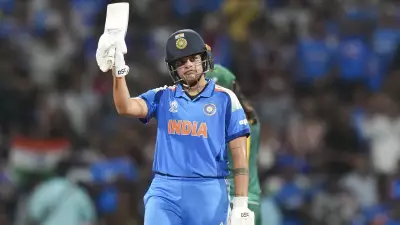
From a sporting perspective, the boycott does not automatically translate into a walkover for India. According to ICC playing conditions, the opposition team must be present at the venue for the scheduled coin toss for a match to be officially forfeited. Accordingly, the Indian team is expected to travel to Sri Lanka and follow full match-day protocol.
Indian captain Suryakumar Yadav is anticipated to walk out for the toss at the appointed time. If Pakistan skipper Salman Ali Agha fails to appear, the match referee will award India a walkover and two points. While this would secure India a result without actual play, the ICC retains the authority to impose additional financial penalties on the PCB beyond the sporting consequences.

Unanswered Questions and Future Implications
While Pakistan will continue their World Cup campaign against the Netherlands, USA, and Namibia in Colombo, several critical questions remain unanswered. The potential sanctions from the ICC could range from financial penalties to more severe sporting consequences. Additionally, the scenario of a possible India-Pakistan clash in the knockout stages of the tournament creates further uncertainty about how such a situation would be handled.
The decision has created a complex situation that balances political considerations with sporting integrity, commercial interests, and the long-term health of international cricket. As the tournament approaches, all eyes will be on how this unprecedented situation unfolds and what lasting impact it might have on future ICC events and the delicate geopolitical relationships within international cricket.