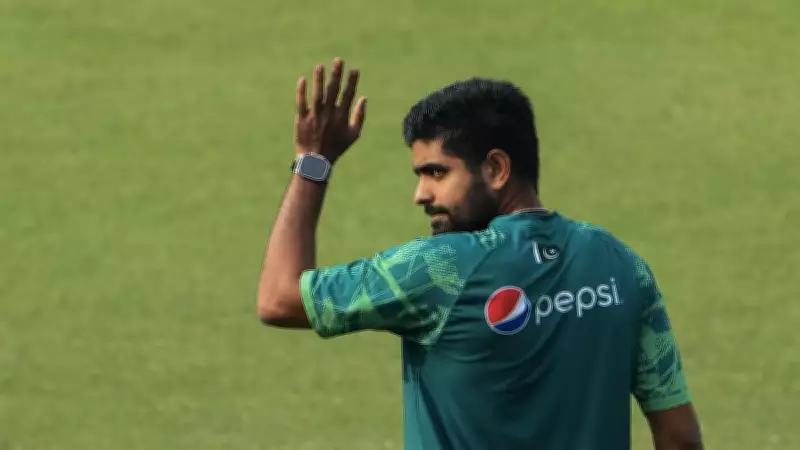
Pakistan Cricket Coach Gary Hesson Addresses Team Selection Controversy
In a recent clarification, Pakistan cricket team coach Gary Hesson has stated that the omission of star fast bowler Shaheen Afridi and the demotion of former captain Babar Azam in the batting order are not consequences of the team's defeat against India. Hesson emphasized that these decisions are part of a broader strategic plan aimed at optimizing team performance and managing player workloads, rather than reactive measures to a single match outcome.
Strategic Decisions, Not Punitive Actions
Gary Hesson, who took over as Pakistan's coach earlier this year, explained that the changes in the lineup are based on long-term goals and player management strategies. "The omission of Shaheen Afridi and the adjustment in Babar Azam's batting position are purely tactical moves," Hesson said. "We are looking at the bigger picture, focusing on player fitness, form, and the team's overall balance. It is incorrect to link these decisions directly to the loss against India."
He further noted that Shaheen Afridi, a key pace bowler, is being rested to prevent injuries and ensure his availability for crucial upcoming tournaments. Similarly, Babar Azam's demotion in the batting order is intended to experiment with different combinations and roles within the team, aiming to enhance flexibility and depth in the batting lineup.

Context of the India Defeat
The Pakistan cricket team faced a significant defeat against India in a recent high-profile match, which sparked widespread speculation about potential changes in the squad. Fans and analysts had speculated that the loss might lead to drastic measures, including dropping key players. However, Hesson's statements aim to dispel these rumors, highlighting that the team management is taking a measured and forward-thinking approach.
"Every match is a learning experience, and we analyze performances to make informed decisions," Hesson added. "The defeat against India was disappointing, but it is not the sole factor driving our selection policies. We are committed to building a resilient and competitive team for the future."
Implications for Pakistan Cricket
These clarifications come at a time when Pakistan cricket is undergoing a phase of transition, with new leadership and coaching staff aiming to revitalize the team's fortunes. The decisions regarding Shaheen Afridi and Babar Azam are seen as part of this broader restructuring effort, focusing on sustainability and strategic planning rather than short-term reactions.
Hesson's approach underscores a shift towards data-driven and holistic management in Pakistan cricket, prioritizing player welfare and long-term success over immediate results. This philosophy is expected to guide future selections and team strategies as Pakistan prepares for upcoming international fixtures and major tournaments.
Key Points from Hesson's Statement:- Shaheen Afridi's omission is due to workload management and injury prevention.
- Babar Azam's demotion is a tactical experiment to enhance batting flexibility.
- Decisions are based on strategic planning, not the India defeat outcome.
- Team management is focused on long-term goals and player development.
In conclusion, Gary Hesson's remarks provide insight into the thoughtful and calculated approach being adopted by Pakistan's cricket management. By clarifying that the changes are not punitive, he aims to foster a positive environment and maintain team morale as Pakistan navigates its cricketing challenges ahead.