The Pakistan cricket team embarked on their journey to Sri Lanka on Monday for the upcoming T20 World Cup, even as they face the looming possibility of sanctions from the International Cricket Council. This disciplinary action threat stems from Pakistan's controversial decision to boycott their scheduled group-stage match against arch-rivals India in the tournament.
Political Tensions Force Venue Shift and Boycott
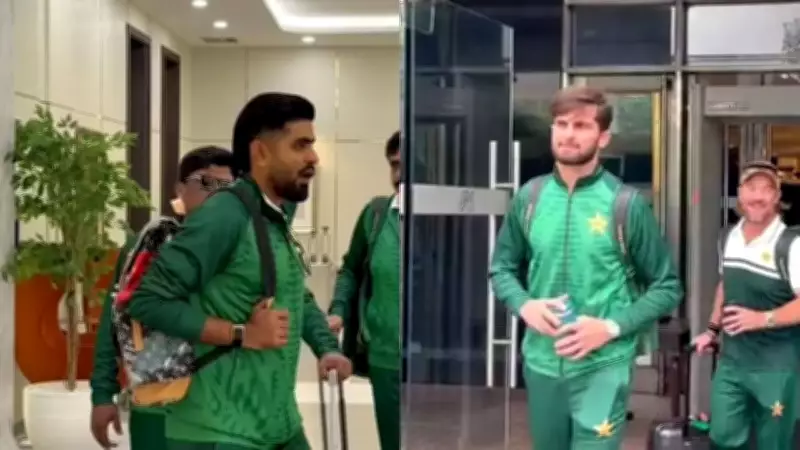
Video footage released by the Pakistan Cricket Board captured the moment players, dressed in their new World Cup uniforms, boarded a bus from a Lahore hotel en route to the airport. Despite India being a co-host of the prestigious competition, Pakistan will play all their matches exclusively in Sri Lanka due to persistent political tensions between the two neighboring nations. This arrangement extends to any potential knockout fixtures Pakistan might reach during the tournament.
Government Directive Sparks Cricketing Controversy
The cricketing world was stunned on Sunday when the Pakistani government issued a directive ordering the national team to participate in the World Cup while specifically boycotting the crucial February 15 clash against India in Colombo. The government's announcement on social media platform X provided no detailed explanation for this unprecedented decision.

According to multiple reports, the PCB has yet to formally notify the ICC about this selective participation approach. The global cricket governing body has already issued a stern warning about potential repercussions, stating that "the position of selective participation is difficult to reconcile with the fundamental premises of a global sporting event." The ICC further emphasized that Pakistan's move was "not in the interest of the global game or the welfare of fans worldwide, including millions in Pakistan."
Historical Context and Tournament Preparations
India and Pakistan have been routinely drawn together in ICC events over the years, despite not playing a bilateral series for fourteen consecutive years. The T20 World Cup commences this Saturday, with Pakistan scheduled to begin their campaign against the Netherlands. Before that, they will play a final warm-up match against Ireland in Colombo on Wednesday.
Fresh from securing an impressive 3-0 T20I series sweep over Australia in Lahore on Sunday, Pakistan captain Salman Ali Agha confirmed that players would strictly adhere to government directives regarding the India boycott. "It's not our decision to boycott the India game, we can't do anything about it," Agha stated. "We will do whatever our government and the PCB chairman say."
PCB Chairman Accuses ICC of Double Standards
PCB chairman Mohsin Naqvi has leveled serious allegations of "double standards" against the ICC. His criticism follows the global body's refusal to relocate Bangladesh's fixtures to Sri Lanka when the Bangladesh government barred its team from traveling to India citing security concerns. The ICC subsequently removed Bangladesh from the tournament entirely, replacing them with Scotland.
Political tensions between India and Pakistan have increasingly spilled onto the cricket field in recent times. Last year, during three Asia Cup matches in the UAE including the final, Indian players notably declined to shake hands with their Pakistani counterparts. In a further diplomatic snub, the Indian team later departed without accepting the trophy from Naqvi, who also serves as president of the Asian Cricket Council.
The unfolding situation presents a complex challenge for international cricket administration, balancing sporting principles with geopolitical realities. As Pakistan begins their World Cup campaign in Sri Lanka, the cricketing community watches closely to see how the ICC will respond to this unprecedented boycott situation and what implications it might have for future international tournaments.