Pakistan Reconsiders India Boycott in T20 World Cup 2026 After Sri Lanka's Financial Appeal
The Pakistan Cricket Board (PCB) is reportedly reconsidering its decision to boycott the highly anticipated clash against India in the ongoing T20 World Cup 2026. This potential reversal comes following a formal request from Sri Lanka Cricket (SLC), which has expressed serious concerns about the financial and reputational consequences of such a boycott.
Sri Lanka's Urgent Appeal to PCB
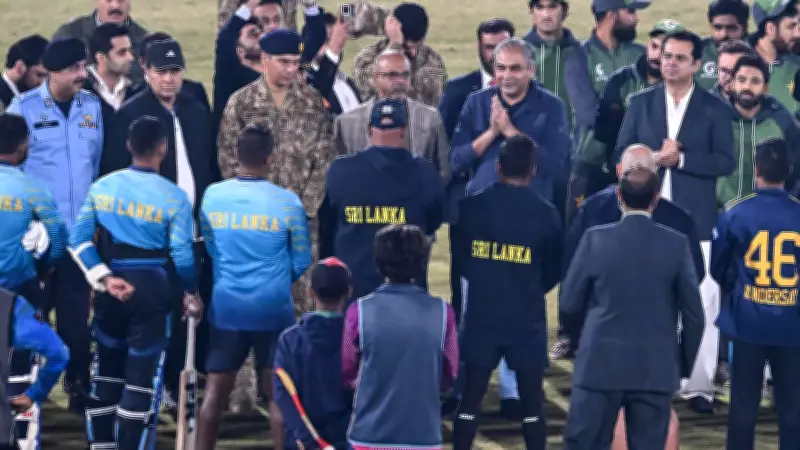
Sri Lanka Cricket sent an official email to the PCB, urging them to rethink their boycott decision. The SLC emphasized that the absence of an India-Pakistan match would result in severe monetary losses for all stakeholders involved. As co-hosts of the tournament alongside India, Sri Lanka is particularly worried about the negative impact on the event's image and their organization's credibility.
The financial implications are substantial, with an India-Pakistan cricket match estimated to generate approximately USD 250 million in revenue on any given day. This makes it commercially the most significant match for the International Cricket Council (ICC), broadcasters, and host nations. A boycott would therefore represent a major financial blow to the entire cricket ecosystem.

Background of the Boycott Decision
Originally, the Pakistan government had permitted the national team to participate in the T20 World Cup 2026 while standing in solidarity with Bangladesh, which was removed from the tournament. However, they specifically prohibited the team from playing against India at the R Premadasa Stadium in Colombo on February 15.
This decision was made as a gesture of support for Bangladesh, but it has now come under scrutiny due to the practical consequences outlined by Sri Lanka Cricket. The PCB, led by chairman Mohsin Naqvi, is now carefully evaluating whether to maintain this political stance or prioritize the commercial and sporting interests of the global cricket community.
The Broader Impact on Cricket
The potential boycott highlights the complex interplay between politics and sports in international cricket. India-Pakistan matches are not only sporting events but also major economic drivers that benefit multiple parties:
- Broadcasters: Who rely on the massive viewership these matches attract
- Sponsors: Who invest heavily in advertising during these high-profile games
- Host Nations: Who benefit from tourism and global exposure
- ICC: Whose revenue streams are significantly bolstered by these encounters
Sri Lanka Cricket's intervention underscores how regional cricket boards are increasingly concerned about the financial stability of international tournaments. Their letter to the PCB represents a pragmatic approach to preserving the commercial viability of the T20 World Cup 2026.
The PCB's final decision will be closely watched by cricket authorities worldwide, as it may set a precedent for how political considerations are balanced against economic realities in future international tournaments.