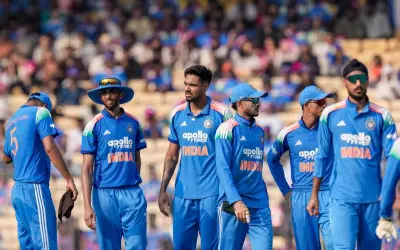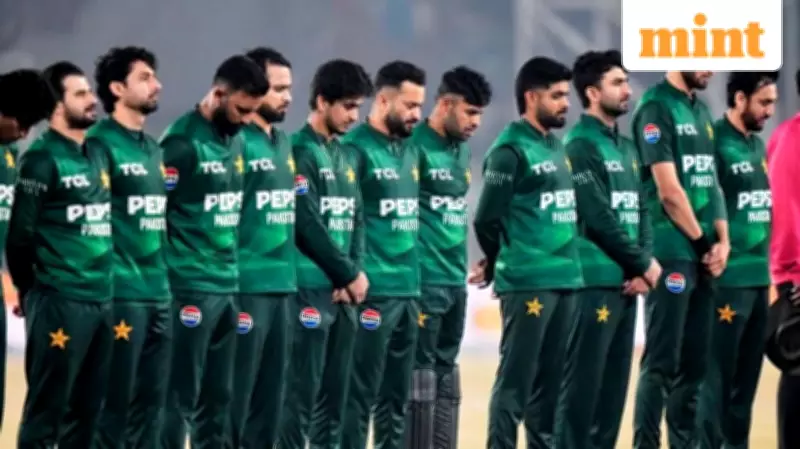
Pakistan Prime Minister Shehbaz Sharif has firmly reiterated his government's decision to boycott the upcoming ICC T20 World Cup group stage match against India, scheduled for February 15 in Colombo. During an address to the federal cabinet in Islamabad, Sharif emphasized that this stance was taken after thorough deliberation, calling it an appropriate decision and advocating for keeping politics out of sports.
Pakistan's Stand and Potential ICC Consequences
Sharif stated, "We have taken a clear stand regarding the T20 World Cup that we will not play the match against India." He added that this decision was made following careful assessment, highlighting the government's commitment to this position. However, this move could constitute a serious breach of ICC rules, potentially leading to significant repercussions for Pakistan's cricketing establishment.
Possible Consequences for Pakistan
If Pakistan proceeds with the boycott, several severe outcomes may unfold, impacting both their sporting and financial standing in international cricket.

- Match Forfeiture and Points Impact: The match would likely be declared forfeited by Pakistan, resulting in India being awarded two points if they participate in practice sessions and the pre-match press conference in Colombo. This scenario would also negatively affect Pakistan's net run rate in the tournament.
- Financial Penalties: The ICC may withhold Pakistan's revenue share to compensate for financial losses incurred from the canceled match. Pakistan receives an annual revenue share of approximately USD 35 million from the ICC, which could be at risk.
- Legal Challenges: Broadcasters who suffer financial losses due to the match not proceeding could file legal challenges against Pakistan in court, adding to the country's potential liabilities.
- Membership Suspension or Expulsion: There is a possibility that the ICC might suspend or even expel Pakistan's membership, which would have long-term implications for their participation in international cricket.
- Isolation from Regional Events: As a result of the boycott, Pakistan could face isolation from regional ICC events like the Asia Cup and might be denied hosting rights for future tournaments.
Why the India vs Pakistan Match is Crucial for the ICC
Sami Ul Hasan, a former ICC executive, explained to Al Jazeera that the ICC will likely convene a board meeting with all members to address this situation. He noted that the board holds all powers to decide on next steps, which could range from imposing fines to suspending a board's membership.
Hasan emphasized that while there have been precedents of countries boycotting matches, the India vs Pakistan game holds unique significance for the ICC as it is considered the biggest match in any international tournament. "The biggest hit, if the biggest game of the tournament does not take place, will come from media rights, which form the main chunk of the revenue for the ICC," he stated.
Broader Financial Implications
The financial impact of such a boycott would extend beyond the ICC and Pakistan, affecting other cricket-playing nations as well. Hasan pointed out that many countries, excluding India, Australia, and England, rely heavily on ICC revenues to support and develop the sport. "The financial implications will be hard for certain countries that rely on the ICC's revenues to ensure the game continues to progress," he explained, underscoring the widespread consequences of this potential boycott.