Pakistan Reverses Boycott Decision, India-Pakistan T20 World Cup Match to Proceed as Scheduled
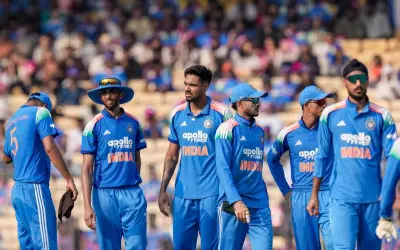
NEW DELHI: A tense week-long standoff in international cricket concluded on Monday evening when Pakistan officially reversed its decision to boycott the highly anticipated T20 World Cup match against India. The fixture, scheduled for February 15, 2026, in Colombo, will now proceed as originally planned, following intense diplomatic and board-level negotiations.
Key Mediator Emerges in High-Stakes Negotiations
The resolution came after a critical stalemate around 7:30 PM IST on Monday, involving the International Cricket Council (ICC), the Pakistan Cricket Board (PCB), and the Bangladesh Cricket Board (BCB). TimesofIndia.com can confirm that Mubashir Usmani, the Emirates Cricket Board (ECB) General Secretary, emerged as the pivotal figure in these negotiations.
Usmani, who also serves as an ICC Associate Member Director, was not originally part of the ICC delegation that traveled to Lahore. That group was led by ICC Deputy Chair Imran Khwaja and BCB President Aminul Islam Bulbul, who met with PCB Chairman Mohsin Naqvi. However, Usmani was urgently recalled from London and asked to join the crucial discussions from Dubai.

His selection as mediator proved strategic, as the Emirates Cricket Board maintains strong, trusted relationships with all parties involved in the dispute. His intervention is widely credited with diffusing tensions that threatened to derail one of cricket's most financially significant fixtures.
Financial Fallout and Diplomatic Pressure Avert Crisis
The potential cancellation of the India-Pakistan match raised serious alarms within the ICC regarding broadcast revenues, future media rights agreements, and the overall funding model for global cricket. Usmani played a decisive role by clearly outlining the severe financial consequences a boycott would trigger.
He warned that the loss of broadcast and advertising revenue would have a cascading negative impact across the entire cricketing ecosystem, particularly affecting Associate and non-Test playing nations, including the UAE. This financial argument, combined with diplomatic pressure, proved crucial in changing Pakistan's stance.
The Pakistan government later announced on social media platform X: "In view of the outcomes achieved in multilateral discussions, as well as the request of friendly countries, the Government of Pakistan hereby directs the Pakistan National Cricket Team to take the field on February 15, 2026... This decision has been taken with the aim of protecting the spirit of cricket, and to support the continuity of this global sport in all participating nations."
Roots of the Standoff: Solidarity with Bangladesh
The crisis originated two weeks prior when Bangladesh was excluded from the T20 World Cup after the ICC rejected their security concerns about traveling to India. In response, PCB Chairman Mohsin Naqvi publicly criticized the ICC for what he termed "double standards" and "injustice."
Following this, the Pakistan government instructed its cricket board to boycott the group-stage match against India as a gesture of solidarity with Bangladesh. This move threatened to create an unprecedented void in the tournament schedule and its commercial viability.
The ICC acknowledged receiving formal appeals from fellow member nations, including Sri Lanka and the United Arab Emirates, urging a swift resolution. BCB President Aminul Islam also appealed for the fixture to be played, stating it was necessary "for the benefit of the entire cricket ecosystem." He expressed gratitude, saying, "We are deeply moved by Pakistan's efforts to go above and beyond in supporting Bangladesh during this period. Long may our brotherhood flourish."
ICC Concessions and the UAE's Neutral Role
As part of the broader resolution, the ICC eased its position regarding Bangladesh. The council stated it would not penalize Bangladesh for missing this T20 World Cup—a first for the nation—and affirmed Bangladesh's right to approach the dispute resolution committee if desired. Additionally, the ICC committed to awarding Bangladesh a global tournament before the men's World Cup in 2031.

ICC Chief Executive Sanjog Gupta commented, "Bangladesh’s absence from the T20 World Cup is regrettable but it does not alter the ICC’s enduring commitment to Bangladesh as a core cricketing nation." The ICC also released a statement affirming, "It was agreed that all members will respect their commitments as per the terms of participation for ICC events and do all that is necessary to ensure that the ongoing edition of the ICC Men’s T20 World Cup is a success."
The resolution also underscored the United Arab Emirates' historical role as a trusted neutral venue in cricket diplomacy. International cricket took root in the UAE in the early 1980s at the Sharjah Stadium with matches involving India and Pakistan. For nearly a decade, Pakistan used the UAE as its home base due to security concerns, launching the Pakistan Super League (PSL) there. The UAE has also hosted the Indian Premier League (IPL) on multiple occasions, during India's General Elections and the COVID-19 pandemic. Dubai has frequently served as India's base for tournaments requiring neutral venues.
With the crisis resolved, the cricketing world now looks ahead to the blockbuster contest in Colombo. Pakistan has won both of its opening matches in the T20 World Cup, while India is set to face Namibia on Thursday, followed by the high-stakes clash against its traditional rival.