Pakistan's T20 World Cup Boycott Could Cost $250 Million: Ex-ICC Official Warns
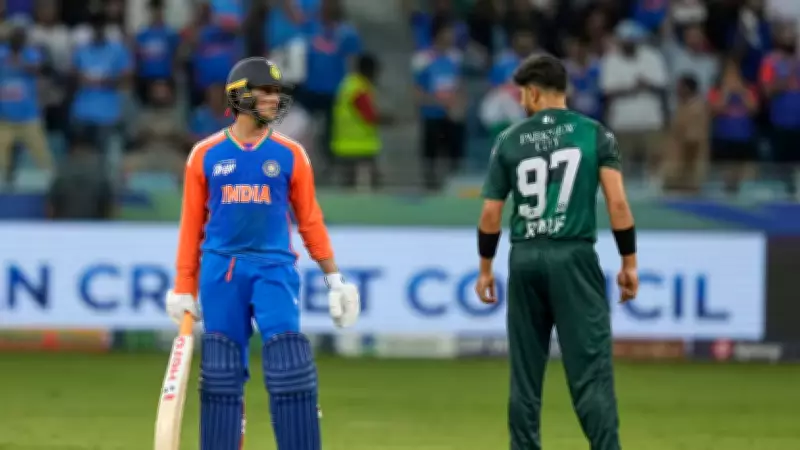
The Pakistan government's decision to boycott the highly anticipated match against India in the upcoming T20 World Cup 2026, scheduled to be held in Colombo, has raised serious financial concerns. According to former ICC Head of Communications Sami-ul-Hasan Burney, this single boycott could potentially cost a staggering USD 250 million in losses, a figure that dramatically overshadows the Pakistan Cricket Board's annual revenue of just USD 35.5 million.
Financial Implications of the Boycott Decision
In an exclusive statement to PTI, Burney emphasized that he is confident an extensive evaluation would have been conducted before the Pakistani government reached this critical decision. "I am sure an extensive exercise would have taken place before the government of Pakistan made that decision," Burney stated. He elaborated on the potential financial fallout, noting, "As regards the sanctions or the losses you are talking about, that one match is costing USD 250 million (everything accounted for not just broadcaster's loss). Pakistan's annual revenue is USD 35.5 million, so there is a big, big difference."
This stark contrast highlights the severe economic impact the boycott could have on Pakistani cricket, potentially jeopardizing future investments and development programs within the country's cricketing infrastructure.

Background of the Controversy
The boycott announcement follows a series of escalating tensions within the International Cricket Council. The controversy began when Bangladesh requested to relocate its matches from India to Sri Lanka, citing security concerns. Although this request was ultimately denied, Pakistan has been actively protesting the ICC's decision.
In a show of solidarity with the Bangladesh Cricket Board, Pakistan voted in favor of their relocation request during an ICC board meeting. Pakistan Cricket Board Chairman Mohsin Naqvi even threatened to boycott the entire tournament if their concerns were not addressed. When Bangladesh refused to play their matches in India, they were subsequently replaced by Scotland for the tournament, further complicating the geopolitical landscape of international cricket.
Allegations of "Shifting Goalposts"
Burney, who also served as PCB's Media Director until last year, revealed additional insights into what he describes as inconsistent treatment by the ICC. He recounted a specific incident from November 2024 when he was present with Mohsin Naqvi as an email arrived from the ICC. "The ICC said the BCCI has informed them that the Indian government has refused permission to send their team to Pakistan," Burney explained.
This communication pertained to India's decision not to participate in the Champions Trophy matches scheduled in Pakistan, with all Indian games eventually being played in Dubai instead. Burney criticized the ICC's handling of similar situations, calling it "shifting of goalposts."
"Mr. Naqvi believes when a similar situation arose in January (with regards Bangladesh), the same principles were not applied, and that is where he is referring to the double standards," Burney added, highlighting the perceived inconsistency in how different cricket boards are treated under similar circumstances.
Broader Implications for International Cricket
The ongoing dispute raises significant questions about:
- The financial stability of cricket boards when political decisions impact sporting events
- The consistency of ICC policies regarding security concerns and match relocations
- The future of high-profile cricketing events between India and Pakistan
- The potential ripple effects on other cricket-playing nations facing similar dilemmas
As the T20 World Cup 2026 approaches, all eyes will be on how this boycott unfolds and what long-term consequences it may have for Pakistan's cricketing future and its relationship with international cricket governing bodies.