Pakistan Cricket Board to Defer to Government on India Boycott Decision
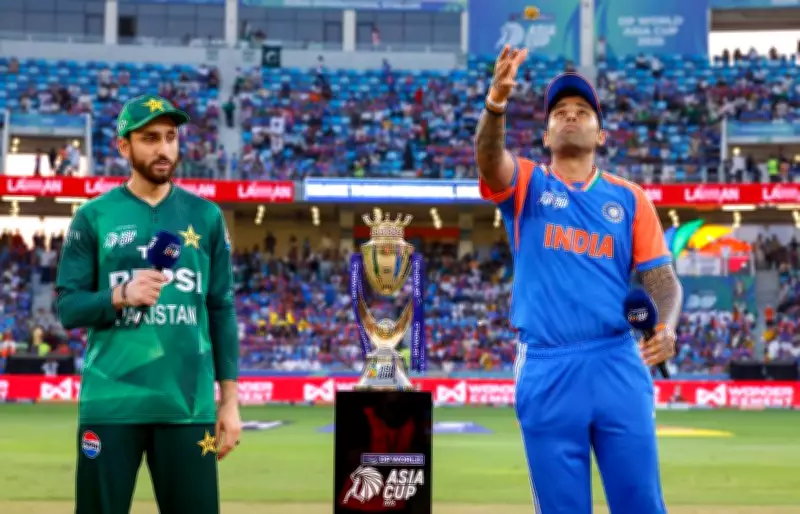
In a significant development that underscores the intertwining of sports and politics, the Pakistan Cricket Board (PCB) has indicated it will follow the directives of the Pakistan government concerning any potential boycott of cricketing engagements with India. This stance was confirmed by a board source, highlighting the board's commitment to aligning its actions with national policy.
Government's Role in Cricket Diplomacy
The source emphasized that the PCB views cricket not merely as a sport but as an extension of diplomatic relations. Consequently, decisions involving matches against India, which have historically been laden with political undertones, will be made in consultation with governmental authorities. This approach reflects a broader trend where sports bodies in Pakistan are increasingly deferring to state guidance on matters of international significance.
Historical Context and Current Implications
India-Pakistan cricket matches have often been suspended or boycotted due to political tensions, with the last bilateral series taking place in 2012-2013. The PCB's current position suggests that any future resumption or cancellation of ties will hinge on governmental approval. This could impact upcoming tournaments and bilateral agreements, potentially affecting players, fans, and the cricketing calendar in both nations.

Potential Impacts on International Cricket
If a boycott is enforced, it might lead to:
- Disruptions in scheduled matches during multi-nation tournaments.
- Financial losses for both boards due to reduced revenue from high-profile clashes.
- Strained relations within the International Cricket Council (ICC) framework.
The PCB's reliance on government input underscores the delicate balance between sports autonomy and political realities in South Asia.