Rajeev Shukla Addresses Pakistan's Threat to Boycott India in T20 World Cup 2026
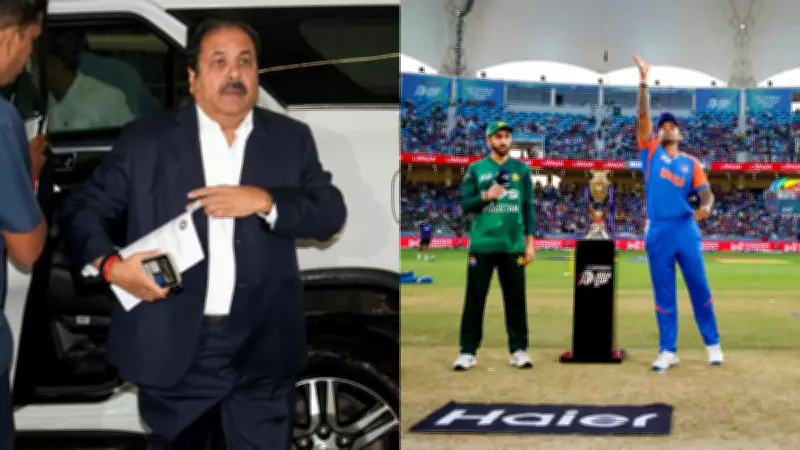
BCCI vice-president Rajeev Shukla has issued a firm response to Pakistan's recent announcement that it will boycott matches against India in the upcoming T20 World Cup 2026. This development comes at a time when back-channel diplomatic talks between the two nations are reportedly underway, adding a layer of complexity to the already tense cricketing relations.
Shukla's Stance on Separating Sports and Politics
In his statement, Shukla emphasized the long-standing principle that sports and politics should not be mixed. He highlighted that cricket has historically served as a bridge between India and Pakistan, fostering goodwill and camaraderie among fans and players alike. "We believe in keeping sports away from political tensions," Shukla remarked, underscoring the BCCI's commitment to promoting the spirit of the game.
The vice-president pointed out that international cricket events, such as the T20 World Cup, are platforms for unity and healthy competition. He expressed hope that Pakistan would reconsider its decision, noting that boycotts only deprive fans of thrilling contests and hinder the growth of the sport globally.

Background of the Boycott Decision and Diplomatic Talks
Pakistan's decision to boycott India in the 2026 T20 World Cup stems from ongoing political disputes between the two countries. Sources indicate that this move is linked to broader geopolitical issues, with back-channel talks attempting to address various bilateral concerns. However, the exact nature of these discussions remains confidential, adding speculation to the situation.
Historically, India-Pakistan cricket matches have been marred by political tensions, leading to cancellations and boycotts in the past. The 2026 T20 World Cup, scheduled to be hosted by India and Sri Lanka, is now at risk of being impacted by this latest development. Shukla acknowledged the challenges but reiterated the BCCI's readiness to host a successful tournament regardless of Pakistan's participation.
Implications for the T20 World Cup 2026
The potential boycott could have significant repercussions for the T20 World Cup 2026. Key implications include:
- Reduced viewership and revenue, as India-Pakistan matches are among the most-watched cricketing events globally.
- Disruption of the tournament schedule, requiring last-minute adjustments by the International Cricket Council (ICC).
- Impact on team morale and preparation, with both sides missing out on high-stakes competition.
Shukla assured that the BCCI is working closely with the ICC to mitigate any disruptions. He also called for calm and dialogue, suggesting that cricket boards should engage in constructive discussions to resolve the issue amicably.
Looking Ahead: The Future of India-Pakistan Cricket Relations
As the situation unfolds, the cricketing world watches closely to see if Pakistan will follow through on its boycott threat. Shukla's response reflects a broader desire within the BCCI to maintain normalcy in cricketing ties, despite political hurdles. He concluded by stating that "the door for dialogue is always open," signaling a willingness to engage with Pakistan's cricket authorities to find a middle ground.
In summary, Rajeev Shukla's reaction underscores the delicate balance between sports diplomacy and political realities. With the T20 World Cup 2026 on the horizon, the hope remains that cricket will once again triumph over discord, bringing fans together in celebration of the game they love.