Rashid Latif Addresses India-Pakistan Cricket Relations, ICC Finances, and Boycott Discussions
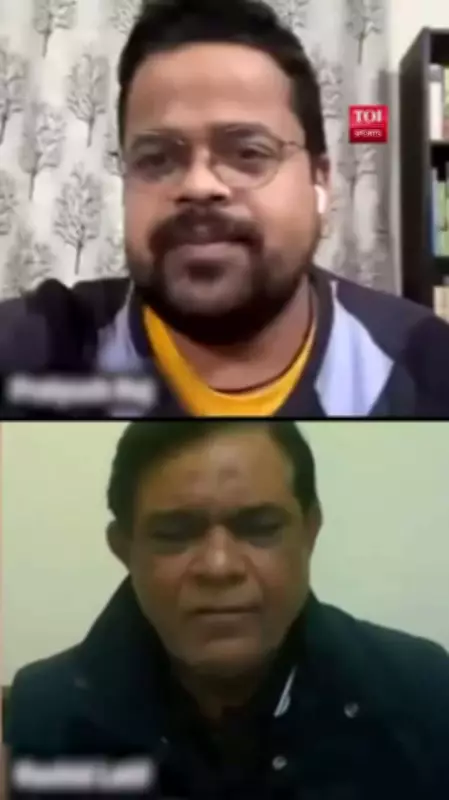
Former Pakistan cricket captain Rashid Latif has recently provided his perspective on several critical issues shaping the international cricket landscape. His comments come at a time when the sport faces complex geopolitical and financial challenges.
Evolving India-Pakistan Cricket Equation
Latif spoke extensively about the changing dynamics between India and Pakistan in cricket. He highlighted how political tensions have significantly impacted bilateral series, noting that the once-regular contests have become sporadic events primarily occurring in multinational tournaments like the ICC World Cup or Asia Cup.
The former wicketkeeper-batsman emphasized that cricket fans on both sides of the border continue to crave more frequent matches, but external factors often dictate the scheduling. He pointed to the upcoming T20 World Cup as a potential platform for renewed rivalry, though uncertainties remain about specific match arrangements.

ICC Financial Structures and Their Impact
On the topic of International Cricket Council finances, Latif offered insights into how revenue distribution affects different cricket-playing nations. He explained that the ICC's financial model, which heavily favors larger cricket boards, creates disparities that influence team development and infrastructure projects across member countries.
Latif suggested that a more equitable distribution could benefit emerging cricket nations and strengthen the global game. He discussed how Pakistan Cricket Board navigates these financial realities while trying to maintain competitive teams across formats.
Boycott Discussions in Contemporary Cricket
The conversation naturally turned to boycott talks that occasionally surface in cricket circles. Latif addressed whether boycotts serve as effective tools for addressing grievances within the sport or if they ultimately harm players and fans more than intended targets.
He reflected on historical instances where political boycotts affected cricket, drawing parallels to current discussions. Latif maintained that while peaceful protest has its place, complete boycotts often punish athletes and spectators who have little control over broader political decisions.
Looking Ahead: The Future of Cricket Rivalries
In his concluding remarks, Rashid Latif expressed hope for normalized cricket relations between India and Pakistan, acknowledging the sport's unique power to bridge divides. He called for constructive dialogue between cricket boards and governments to create sustainable frameworks for competition.
The veteran cricketer concluded by emphasizing that cricket's financial health and political neutrality remain crucial for its growth as a truly global sport. His comments provide valuable perspective from someone who has experienced both the sporting and administrative sides of international cricket.