Former Pakistan Captain Rashid Latif Weighs In on Potential Boycott of India T20 World Cup Match
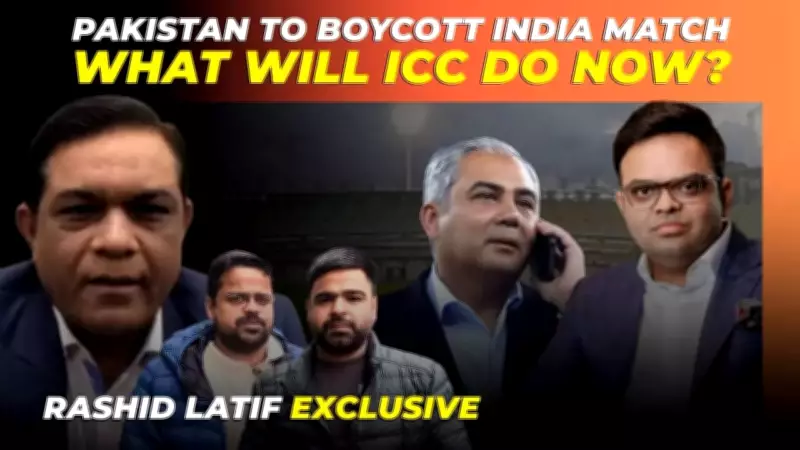
Former Pakistan cricket captain Rashid Latif has recently shared his perspective on the ongoing discussions surrounding Pakistan's potential boycott of their upcoming T20 World Cup match against India. This development comes amid heightened tensions between the two cricketing nations, sparking widespread debate within the international sports community.
The Context of T20 World Cup Tensions
The T20 World Cup has always been a platform where political and diplomatic tensions between India and Pakistan manifest on the cricket field. However, the current situation appears more volatile than usual, with various factors contributing to the strained relations. Rashid Latif, known for his candid opinions, has suggested that Pakistan might consider skipping the high-profile match against India as a form of protest or strategic decision.
Latif's comments highlight the complex interplay between sports and politics, particularly in the context of Indo-Pak relations. His remarks have ignited conversations among fans, analysts, and former players about the implications of such a boycott on the tournament's integrity and the spirit of cricket.

Potential Ramifications of a Boycott
If Pakistan were to proceed with boycotting the India match, it would mark a significant moment in cricket history. Such a move could lead to:
- Points forfeiture for Pakistan, affecting their standings in the tournament.
- Increased diplomatic strain between the two nations, extending beyond the sports arena.
- A potential shift in how international cricket governing bodies handle politically charged situations.
- Mixed reactions from the global cricket community, with some supporting the protest and others condemning it as against sportsmanship.
Rashid Latif's insights suggest that the decision is not merely about cricket but reflects broader geopolitical dynamics. He implies that Pakistan's cricket board and government might weigh the political symbolism against the sporting consequences.
Broader Implications for International Cricket
This situation underscores the challenges faced by international sports events when political tensions spill over. The T20 World Cup, as a premier global tournament, aims to foster unity and competition, but instances like this reveal the underlying fractures. Latif's perspective adds depth to the ongoing narrative, emphasizing that cricket between India and Pakistan is often more than just a game.
As the T20 World Cup approaches, all eyes will be on whether Pakistan formalizes any boycott plans or if diplomatic efforts ease tensions to allow the match to proceed. Rashid Latif's comments serve as a reminder of the delicate balance between sports and politics, urging stakeholders to navigate these waters carefully to preserve the essence of cricket.