From Cricket Field to National Vision: Rodrigues' Powerful Message
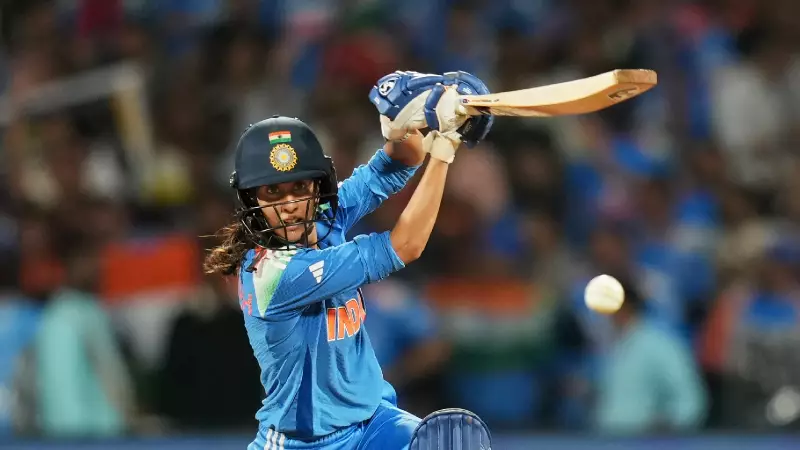
When the Indian women's cricket team lifted their first World Cup trophy this month, one moment transcended the boundaries of sport. As Jemimah Rodrigues remained unbeaten after a spectacular, record-breaking run chase against Australia in the semi-final, her words echoed far beyond the stadium: "Today, I was not playing for a 50 or a 100. I was playing for India."
This statement, made in November 2025, created a pause in the celebration - a reminder of what collective national belonging truly means. Such moments reveal how an individual's grace can reflect a nation's deepest promises, showing that the spirit we cheer on the cricket field isn't so different from the ideals enshrined in our founding document.
Constitutional Ideals Meet Sporting Reality
The author recalls their first encounter with the Constitution of India, experiencing a similar thrill at its guarantees of fairness, equality and dignity for all citizens. Article 14, which promises equal treatment regardless of faith, gender or background, represented a foundational moment of constitutional admiration.
Yet reality, much like cricket, often proves more complex than the rulebook. When rules lose their moral weight, stories take center stage. In contemporary public life, narratives have become powerful tools - from election rallies to television debates, speeches increasingly focus on identities rather than ideas, on division rather than unity.
Sociologists Peter Berger and Thomas Luckmann argued that reality is socially constructed, with facts gaining meaning through collective interpretation. When demographic, economic or religious data are used to provoke anxiety rather than understanding, they transform from information into instruments of division.
Media's Role in Shaping National Narrative
The media, often called democracy's fourth pillar, becomes more than just a storyteller - it constructs social truth. Alongside the executive and legislature, it influences what society considers real, moral or patriotic. When amplified narratives fuel suspicion instead of solidarity, even the strongest constitutional ideals risk becoming hollow.
The Constitution grants political leaders and citizens freedom of speech, but not license to fracture society. This freedom should sustain deliberation, not domination. The current reality where dissenting students, journalists and activists face censorship while public figures use the same freedom to polarize represents a troubling disconnect between legal principles and daily life.
This dissonance makes Rodrigues' story particularly significant. Here was a young woman who, months earlier, faced trolling and sidelining - targeted for her faith, her smile, her failure to fit sporting stereotypes of "seriousness." Yet when it mattered most, she played not for personal glory but for collective belonging.
Before the final against South Africa, Rodrigues declared in an interview: "We told ourselves, this is our home ground, and we are not letting anyone take it away." She voiced something larger than cricket - a vision of India that includes rather than excludes.
Sporting Spirit as Political Lesson
In Rodrigues' victory, we see what a living Constitution looks like: discipline without division, pride without prejudice, diversity without fear - and celebrations that leave nobody behind. This sporting spirit offers crucial lessons for political and media leadership: you only win when everyone plays together.
As India moves deeper into another electoral season, we must examine what kind of culture our narratives are building. Do we want to raise generations of girls who can pursue their dreams with cricket bats and determination, or create citizens too consumed by mutual resentment to look upward?
The choice lies between speaking the language of exclusion or rediscovering the grammar of equality imagined by our Constitution's framers. Ultimately, like sports, democracy represents a team effort. The rules only matter when players uphold them - and the spirit, as Rodrigues demonstrated, means everything.
Perhaps our politics should indeed take cues from our players: to play for India, not merely for the scoreboard.