The High-Stakes IPL Audition for Rohit Sharma and Virat Kohli
Consider this intriguing cricket trivia: Since the inaugural T20 World Cup in 2007, how many players who exclusively played ODI cricket have been part of a 50-over World Cup-winning team? The answer is zero. In 2027, when the tournament is hosted across Namibia, South Africa, and Zimbabwe, Rohit Sharma and Virat Kohli would dearly love to rewrite that statistic. However, this ambition hinges on a critical assumption: that they will be selected for the squad.
The Curious Space of Cricket Legends
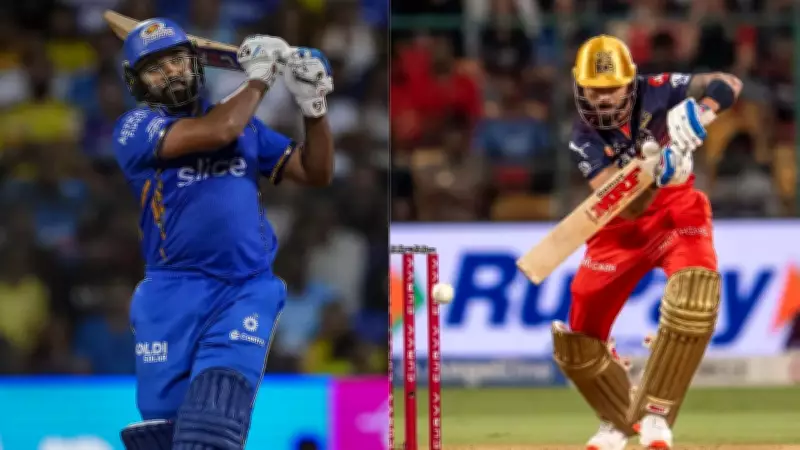
Having retired from Test and T20 International cricket, Rohit Sharma and Virat Kohli now occupy a unique and challenging position in the sport. They are colossal names in cricket, yet their game-time is shrinking significantly. This reality makes the upcoming Indian Premier League season profoundly important for both veterans. It represents their most visible and high-profile audition for future national team consideration.
If Rohit and Kohli aim to convince a team management and selection panel that has grown increasingly ruthless and pragmatic, they must deliver standout performances over the next eight weeks for Mumbai Indians and Royal Challengers Bengaluru, respectively. This might sound dramatic, given their monumental achievements. However, the path to the 2027 ODI World Cup will not be paved by past reputation or nostalgic highlights. It will depend entirely on present-day form, fitness, and sustained excellence.

The Dual Challenge: Fitness and Form
Both players remain in the selection conversation, with captain Shubman Gill and others hinting as much. The more difficult question is whether they can maintain their standards until 2027. For Rohit Sharma, who turns 39 on April 30, and Virat Kohli, now 37, this IPL serves as a comprehensive fitness test combined with a rigorous batting examination. As one-format cricketers, they must demonstrate they can endure a long, high-intensity campaign and still be competitive three years from now.
Fitness, however, is only half the battle. Form, that notoriously fickle companion, is the other crucial component. Ask any Indian cricketer what they fear most, and the answer is straightforward: being out of sight and out of mind. This psychological pressure amplifies the importance of the IPL for Rohit and Kohli. It thrusts them back into the public and selectorial view after attention shifted dramatically to the heroes of India's recent T20 World Cup triumph.
The Scarcity of ODI Cricket and Its Implications
ODI matches are becoming increasingly rare in the modern cricket calendar. India last played a five-match ODI series back in February–March 2019. For single-format players like Rohit and Kohli, one poor series can result in a prolonged wait for another opportunity. These extended gaps are particularly detrimental to batters: rhythm fades, match sharpness dulls, and every failure can feel terminal.
Consequently, every substantial innings in the IPL will be scrutinized as evidence—or lack thereof—that Rohit and Kohli are still moving well, reacting sharply, and maintaining the intensity demanded by top-level ODI cricket. Unlike the IPL, ODIs offer no impact substitute, the ultimate safety net for players with declining mobility. It remains a rigorous seven-hour test of endurance and skill.
Individual Stakes and Scrutiny
Lazy analysis has often led to hyphenating Rohit Sharma and Virat Kohli's careers, with acronyms like the nauseating "Ro-Ko" reinforcing this linkage. Yet, the stakes are arguably higher for Rohit Sharma. His ODI legacy is secure, but age and his specific role now sit at the heart of the debate, especially with younger opening options available alongside Shubman Gill that offer greater athletic value in the field.
Fan armies have sometimes dressed up Rohit's loose dismissals as positive intent, and his brisk 20s and 30s were hailed as selflessness. However, poor habits become more stubborn with age. These tendencies bled into his Test game as well, accelerating both technical decline and his eventual exit from the format. This IPL, selectors and coach Gautam Gambhir will observe him closely. Can Rohit start with controlled intent, pull quality pace without losing shape, run hard between wickets, field efficiently, and maintain acceptable fitness throughout a demanding campaign?

He has crossed 500 runs in an IPL season only once, back in 2013. Another middling season could transform quiet murmurs into harsh verdicts. His last three ODI scores—3, 11, and 24—linger in memory.
Virat Kohli's Quest for Sustained Relevance
Virat Kohli's situation is distinctly different. He has been the defining white-ball batter of his generation and one of Indian sport's great athletic specimens. What he pursues now is not excellence—that is already established—but sustained relevance. In recent series against South Africa and New Zealand, he showed greater willingness to attack early, seeking boundaries within his first 10 balls. This suggests a conscious adaptation.
Kohli had already mastered the art of low-risk accumulation in ODIs; now he has garnished it with consistent urgency. This evolution matters immensely in the IPL, where strike rate and impact shape or destroy narratives. Kohli will want to demonstrate he can still dominate key bowlers and keep pace with the modern game's escalating demands. If he can seamlessly combine control with carnage, his case for selection remains compelling.
He boasts 11 IPL seasons with 400-plus runs, and while many came at strike rates in the mid-120s, in each of his last three seasons, it has risen to above 140. Last year, while batting first, his strike rate was 147.8, higher than his chasing strike rate of 142.18. Since 2025, his ODI strike rate is 98.45, surpassing his career mark of 93.41.
The Final Verdict Rests on Hunger and Intent
Kohli also understands that when senior players attempt to stretch themselves into another World Cup cycle, selectors judge more than mere statistics. They look for palpable hunger, infectious energy, and unmistakable intent. The IPL, played under relentless scrutiny and offering instant, unforgiving public judgment, is the perfect stage for such examinations. The league has increasingly become a selection filter across formats in India—sometimes, disturbingly, even for Test cricket.
For Rohit Sharma and Virat Kohli, this season transcends being just another tournament. It is their ticket to continued relevance, their audition for a historic 2027 campaign, and a testament to their enduring legacy in the sport they have dominated for over a decade.