Rohit Sharma's Batting Evolution: From Aggressive Leader to Conservative Opener
India's crushing defeat to England in the 2022 T20 World Cup semifinal served as a wake-up call. Captain Rohit Sharma openly admitted that India's white-ball batting approach was becoming outdated. This admission sparked an immediate transformation in how the team built innings across both T20Is and ODIs.
The Aggressive Revolution
Rohit Sharma led this charge personally. He began taking calculated risks from the very first ball, setting a powerful example for his teammates. Over the following eighteen months, he repeatedly emphasized his personal responsibility to pioneer this new, fearless style of play.
This bold strategy paid significant dividends. It fueled India's strong performances in major tournaments like the 2023 ODI World Cup, the 2024 T20 World Cup, and last year's Champions Trophy. The team's batting became synonymous with proactive, high-intensity cricket.

A Noticeable Shift in Gear
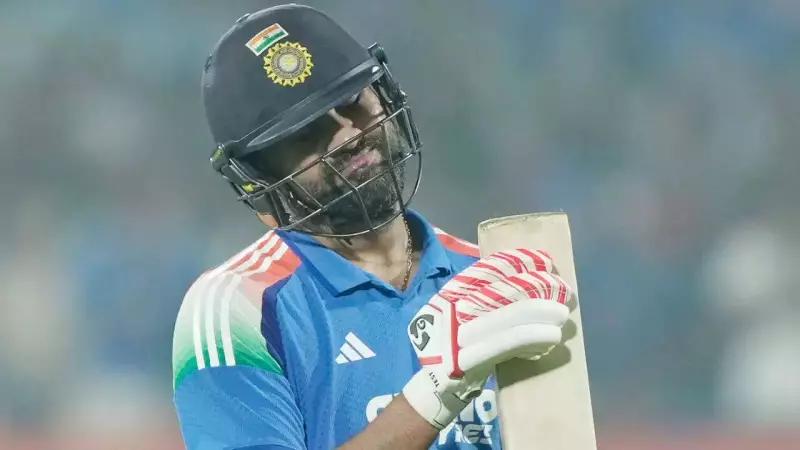
However, a distinct change emerged after Shubman Gill assumed the ODI captaincy. Observers noted a different Rohit Sharma at the crease. The trademark fearlessness seemed to recede, replaced by a more measured and conservative start to his innings.
Statistics reveal this shift. His dot-ball percentage in the initial twenty to thirty balls now sits around eighty percent. Consequently, the team's opening partnerships have become more subdued, marking a clear departure from the aggressive template established before the Champions Trophy.
Adapting to New Realities
In recent months, Rohit has faced questions about his longevity, specifically his ability to compete until the 2027 ODI World Cup. At thirty-nine, he undertook a significant fitness journey, shedding over ten kilograms to meet modern athletic standards.
Yet, this physical transformation appears coupled with a more reserved batting mentality. He demonstrates remarkable patience, even willing to face ten dot balls without scoring, as seen in the recent Rajkot ODI against New Zealand. His current method involves testing bowlers and waiting for scoring opportunities rather than imposing himself from the outset.
Coaching Staff Weighs In
India's assistant coach, Ryan ten Doeschate, addressed this change. He suggested it might not be a deliberate tactic. "I don't think it's a conscious approach. He has not been as fluent as usual," Doeschate stated, highlighting a key concern for selectors and management regarding both Rohit and fellow veteran Virat Kohli.
Doeschate pointed to specific challenges. "I thought both innings were on pitches where it didn't look easy to bat on. He's such a brutal player but he's actually a touch player. So, as soon as the pitches aren't very good, it's going to be difficult for him to look fluent." He also cited a potential lack of match practice between series as a factor.
Performance Analysis and Team Dynamics
Despite the stylistic shift, Rohit's output remains formidable. His batting average in the last three series still exceeds fifty. While his strike rate has dipped slightly, it hasn't fallen to concerning levels. He leverages his vast experience from nearly three hundred ODI appearances.
Unlike Kohli, Rohit often takes time to find his rhythm, with his major contributions frequently arriving later in a series. This pattern continues. External factors are also at play. New regulations regarding ball hardness after thirty-four overs are prompting teams to reconsider their powerplay strategies.
Furthermore, the team management is actively creating opportunities for young talent like Yashasvi Jaiswal. Captain Shubman Gill himself is not known for explosive starts. This confluence of factors leaves a crucial question unanswered.
Will the team management initiate a discussion with Rohit about his approach, or will they recalibrate the overall game plan to accommodate his current, more patient method of batting? The answer will significantly influence India's white-ball future.