Sachin Tendulkar Quietly Vetoed Sourav Ganguly's Team T-Shirt Celebration Plan at NatWest Final
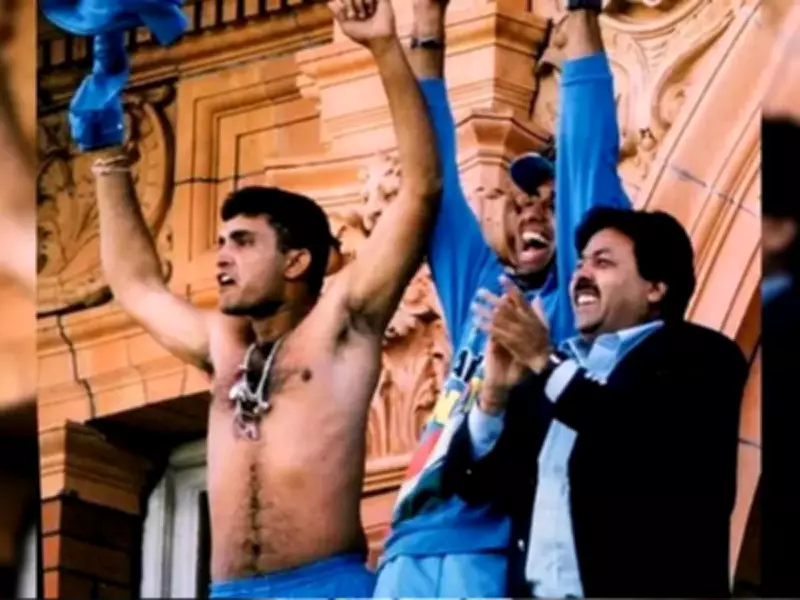
The iconic image of former Indian cricket captain Sourav Ganguly triumphantly twirling his T-shirt from the Lord's balcony after India's dramatic NatWest Trophy victory in 2002 remains permanently etched in the collective memory of cricket enthusiasts worldwide. For some fans, this spontaneous celebration served as a fitting response to English cricketer Andrew Flintoff's similar gesture in India following an England victory. For others, it represented a departure from cricket's traditional "gentlemanly" image. However, what remains less known to the general public is the fascinating behind-the-scenes story that preceded this historic moment.
The Untold Story Revealed by BCCI Official
According to a recent revelation by Board of Control for Cricket in India (BCCI) vice-president Rajeev Shukla, Ganguly had initially envisioned a much more elaborate celebration involving the entire Indian cricket team. Shukla shared this previously unknown anecdote during the Times of India Sports Awards (TOISA) event when asked about his most cherished cricketing memory. The former team manager disclosed that Ganguly's original plan was for all team members to join him in removing their T-shirts and celebrating together on that famous Lord's balcony.
"Ganguly told me to ask the team to take off their T-shirts and celebrate. But Sachin advised against it, saying it wouldn't look appropriate. I agreed with him," Shukla revealed during the event. This quiet intervention by batting legend Sachin Tendulkar ultimately led to Ganguly's decision to celebrate alone, creating one of the most memorable visual moments in modern cricket history.

Recalling the Historic NatWest Trophy Final
Shukla identified the NatWest Trophy final between India and England at Lord's Cricket Ground on July 13, 2002, as the pinnacle of his cricketing memories. Serving as team manager during that historic tournament, Shukla vividly recalled the emotional rollercoaster of that unforgettable night. "It was a great team with a perfect blend of experience and youthful energy, and we reached the final without encountering significant difficulties," he reminisced.
The final match presented an enormous challenge when England posted a mammoth total of 325 runs. "I started panicking as we had to chase history to lift the trophy," Shukla admitted. However, opening batsman Virender Sehwag provided immediate reassurance, telling the nervous manager there was nothing to worry about. Sehwag opened the innings alongside captain Ganguly and forged a spectacular century partnership in just 14 overs, setting a strong foundation for the chase.
The Dramatic Turnaround and Young Heroes
The match took a dramatic turn when India lost five crucial wickets in the next nine overs, leaving the team struggling at 146/5. Just when victory seemed to be slipping away, two young batting talents emerged as unlikely heroes. Mohammad Kaif and Yuvraj Singh played exceptionally well under tremendous pressure, scripting one of India's most famous and memorable victories in limited-overs cricket history. Their partnership not only secured the trophy but also announced the arrival of a new generation of Indian cricketers who would go on to achieve greater successes in the coming years.
The Aftermath and Lasting Legacy
Despite Tendulkar's reservations about the team-wide T-shirt celebration, no one could ultimately restrain Ganguly's triumphant spirit. The determined captain proceeded alone to the Lord's balcony where he waved his T-shirt in the air, creating an image that has since become synonymous with Indian cricket's growing confidence and assertive identity on the global stage. This spontaneous act of celebration transcended the boundaries of sport to become a cultural touchstone, representing a shift in how Indian athletes expressed themselves after significant victories.

Shukla's revelation provides fascinating new context to this legendary moment, highlighting the different perspectives within the team leadership about appropriate celebration etiquette. While Tendulkar favored maintaining traditional decorum, Ganguly embraced a more expressive approach that ultimately created an enduring symbol of triumph. This contrast between two of India's greatest cricketing icons adds another layer to our understanding of that historic night at Lord's, reminding us that even the most iconic moments often have untold stories behind them.