SG Super 50: A Potential Game-Changer for Cricket Academies in India
In the bustling world of cricket training, a new innovation from Sanspareils Greenlands (SG) is making waves. The Super 50 leatherette cricket ball is designed specifically for the budget-conscious market, targeting the approximately 15,000 cricket academies across India and the corporate cricket circuit. Priced at a slight premium compared to traditional cheaper balls, it promises enhanced durability, raising the question: can this product truly revolutionize how academies manage their expenses and training quality?
The Genesis of Super 50: Addressing Market Gaps
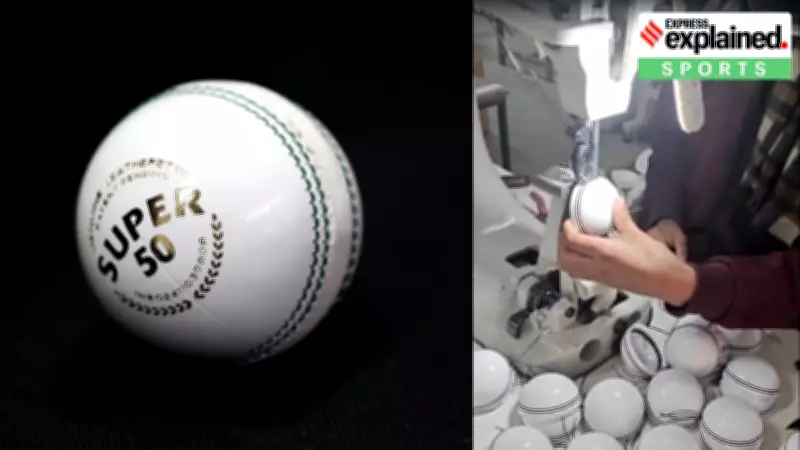
Based in Meerut, SG faced significant challenges due to raw material shortages after local tanneries were shut down in 2022 for pollution concerns. Despite selling over half-a-million leather balls annually, the company identified a gap in serving the academy segment, which consumes around four million balls per year, growing at 6-7%. Paras Anand, CEO of SG, explained, "The economics of academies only work if they pay about Rs 250 for a ball. We didn't want to compromise quality by lowering prices to that level. Instead, we aimed for a Rs 450-470 range with a superior product." This led to the development of the Super 50, a ball guaranteed to last at least 50 overs, as its name suggests.
Innovative Manufacturing and Design
The journey to create the Super 50 involved extensive research and development. Initial attempts to import polyurethane fabric from China and Thailand failed due to fraying upon impact. After months of experimentation, SG's R&D team formulated a unique blend of Indian-sourced PUs for the outer surface, achieving a breakthrough. The ball features a thermoforming process, similar to car part manufacturing, and includes a cork-wood core akin to leather balls. Unlike hand-stitched leather balls, the Super 50 is machine-stitched, ensuring consistency and durability. Anand noted, "The material's strength and abrasion resistance exceed leather, making it longer-lasting and more reliable across batches." The ball has also received a non-leather vegan certification from PETA India.

Rahul Dravid's Crucial Feedback
The development process benefited from input by former India captain Rahul Dravid, who has a longstanding association with SG. In March 2024, Dravid tested an early version and provided critical feedback, describing it as "plasticky" in look and sound. This prompted SG to revise the formulation, replacing a synthetic core with cork-wood, which increased costs but improved performance. The updated ball was tested at a Bengaluru academy where Dravid's sons train, with coaches praising its longevity. SG's marketing strategy even drew inspiration from a classic Surf detergent ad, emphasizing value over quantity.
Academy and Player Reactions
Early feedback from cricket academies has been positive, with coaches appreciating the cost savings from reduced ball purchases. The Super 50's ability to withstand wet conditions without damage addresses common dew-related issues. Batsmen find it advantageous for pace preparation, as it maintains speed better post-pitch. However, some challenges have emerged: bowlers report that the ball doesn't swing sufficiently for fast bowlers, and finger spinners struggle with grip, though leg-spinners fare better. Anand believes, "At this stage, it's the perfect training ball, offering a reliable option where none existed before."
Market Impact and Future Prospects
Since its launch in November, the Super 50 has garnered 30,000 orders in its first month, indicating strong initial demand. SG positions it as a disruptor in the budget ball market, aiming to shift academy preferences towards a more durable and consistent product. As academies adapt, this innovation could reshape training practices and financial planning in India's cricket ecosystem.