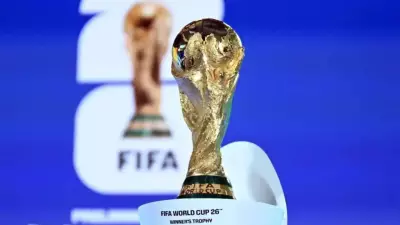
South Korea arrived at the 2026 FIFA World Cup focused on football. Instead, a growing dispute involving the country's media has become one of the tournament's most talked about off-field stories. What began as a leaked conversation has now turned into a public standoff between the national team and members of the Korean press.
The Root of the Controversy
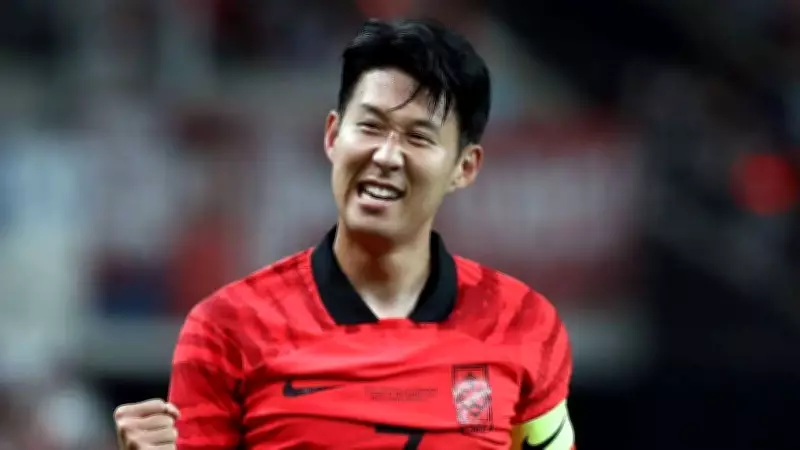
The row surrounds captain Son Heung-min, one of the most revered figures in Asian football. South Korea are gearing up for key group-stage matches, but attention has turned away from the action on the pitch to concerns about respect, professionalism, and the responsibility of the media.
The matter followed remarks apparently caught on microphone at an open training session. In the leaked exchange, a reporter seemed to mock Son Heung-min's exemption from military service, raising a sensitive issue that has followed the captain through his career. The statement said: "He didn't even do his proper military service."

Military Exemption Context
The comment was met with instant criticism from fans and football observers. Some felt it was unfair given the circumstances surrounding Son's exemption. Under South Korean law, elite athletes can be granted military exemptions if they bring major international achievements to the country. Son earned the exemption after helping South Korea to gold at the 2018 Asian Games. Even though he was not required to be in the military, he still went through mandatory basic military training to satisfy legal requirements set by the government.
Fallout and Media Boycott
The Korea Football Association reacted angrily to the leaked conversation that was posted on the Internet. The governing body denounced the comments and backed the players, sparking a major chill in relations between the squad and the local press covering the World Cup. Son did not speak to reporters in the mixed zone after South Korea's opening win, a notable sign that the tension had not eased.
Perhaps the biggest development was the resignation of the secretary of the Korean FIFA World Cup press corps. The group reportedly acknowledged ethical lapses and the erosion of trust between journalists and the national team. Other signs of the boycott soon followed. A previously conducted interview with midfielder Lee Dong-gyeong was reportedly withdrawn, and another planned media session involving midfielder Hwang In-beom was cancelled. The official explanation was scheduling difficulties, but many observers viewed the moves as part of the larger quarrel.
Impact on the World Cup Campaign
The timing couldn't be worse for the Korean team. The team is in the midst of its World Cup campaign, fighting to reach the knockout rounds. But players and officials seem intent on sending a message about accountability and respect. The situation underscores a larger problem facing modern sports. Athletes are constantly under public scrutiny, but without context, criticism can easily become personal attacks. In the case of Son Heung-min, a joke went wrong, and the conversation turned to professionalism, ethics, and how public figures should be treated.
As South Korea continue their World Cup journey, the focus will ultimately return to football. But for now, the clash between the national team and its own media is among the most fascinating stories of the tournament.