Vaibhav Sooryavanshi's Moment of Truth in Under-19 World Cup Semi-Final
Expectations in elite sport can be a double-edged sword, capable of elevating an athlete's performance or weighing heavily as pressure. Vaibhav Sooryavanshi arrived at the 2026 Under-19 World Cup with significant expectations firmly on his shoulders, widely tipped as one of India's batters capable of shaping the tournament's outcome. Five matches into the competition, the talented left-hander has shown glimpses of that promise without yet producing the defining innings that would truly elevate his campaign and justify the early hype.
A Tournament of Starts and Moments
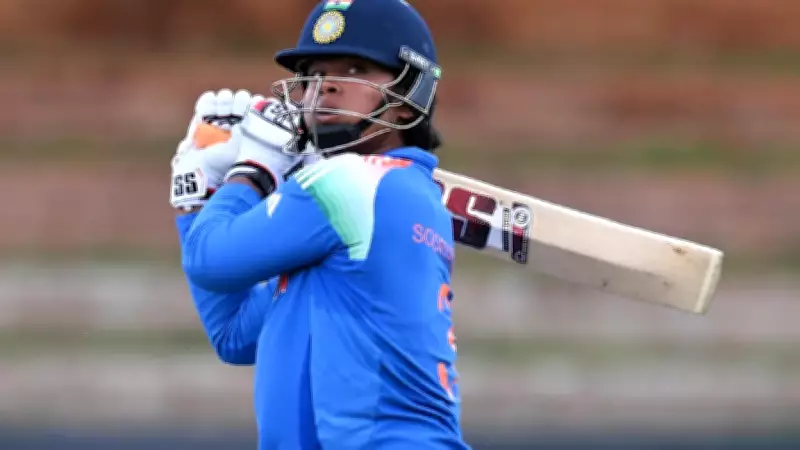
The 14-year-old's scores throughout the tournament — 30, 52, 40, 72 and 2 — tell the story of a campaign filled with promising beginnings rather than sustained dominance. As India gears up to face Afghanistan in Wednesday's crucial semi-final clash, Sooryavanshi remains one of the side's most intriguing yet unfinished narratives. In his two half-centuries, he offered compelling reminders of why he is so highly rated within cricketing circles.
The 72 against Bangladesh showcased both composure and flair, with Sooryavanshi guiding India out of a precarious position at 53/3 and laying a solid foundation for those to follow. The innings contained six boundaries and three maximums, but just as telling were the 22 singles he collected, reflecting a growing willingness to value strike rotation alongside boundary-hitting aggression.

The 52 against Zimbabwe, meanwhile, carried the promise of becoming the kind of commanding innings many expect from him. Having settled in comfortably, Sooryavanshi looked set for something substantially bigger before falling to a soft dismissal, handing mid-off a simple catch and walking back without fully capitalizing on his promising start.
Patterns in Performance and Dismissal
In the other three matches, promising beginnings did not develop into something more substantial. Quickfire knocks of 30 and 40, followed by a low score of two, pointed to occasional lapses in judgement and timing. For a young batter operating under intense scrutiny, such moments are often part of the inevitable learning curve in international cricket.
What stands out statistically is how frequently Sooryavanshi has reached promising positions throughout the tournament. The issue so far appears less about technical skill than about tempo management — knowing precisely when to absorb pressure and when to impose himself on the opposition bowling attack.
This perspective is reinforced by a clear pattern emerging in his dismissals. All five have come against pace bowling, with a recurring vulnerability to short or hard-length deliveries. Three times, he has been dismissed attempting the pull shot, mistimed rather than mistargeted, with instinct occasionally overtaking careful calculation. Even in his longer innings, the conclusions have arrived not through sustained pressure but at moments when a settled batter was required to go deeper into the innings.
The Afghanistan Challenge
The semi-final against Afghanistan presents a test that aligns closely with these emerging themes. Knockout matches inherently magnify pressure, demanding exceptional clarity of thought as much as a wide range of shots. Afghanistan's bowlers are likely to challenge Sooryavanshi's judgement with disciplined pace and consistent hard lengths throughout their spells.
At this Under-19 World Cup, Afghanistan's bowling attack has built its success around control rather than express pace. Right-arm seamer Nooristani Omarzai has been their standout performer, leading the wicket charts with 12 strikes, while the likes of Khatir Stanikzai, Wahidullah Zadran and Abdul Aziz have supported him effectively by maintaining pressure and forcing errors from opposition batters.
Modern Cricketing Context
Sooryavanshi represents very much a product of the modern cricketing environment. Brought up in a T20-heavy ecosystem, his natural instincts are geared towards impact rather than prolonged occupation of the crease. For India, the expectation is not reckless stroke play from their young prodigy, but rather substantial contributions that build innings momentum.

His lack of big scores has meant that India's middle-order batters have had to shoulder the bulk of the run-scoring responsibility throughout the tournament. What this semi-final specifically calls for, however, is a more substantial innings from Sooryavanshi — one that lasts deep into the innings and decisively shapes the contest's outcome.
Opportunity Rather Than Burden
Wednesday's high-stakes encounter represents opportunity rather than burden for the young left-hander. The Under-19 World Cup has already showcased Sooryavanshi's considerable talent in brief bursts; what it still awaits is an innings that marries his natural aggression with sustained composure on the biggest stage of junior cricket.
Whether that defining moment arrives against Afghanistan could go a long way in shaping both India's path to the tournament final and Sooryavanshi's own developmental journey through this prestigious competition. For a player of his emerging profile, such knockout matches often shape perception and establish reputation, demanding not just technical skill but mental restraint, leaving little room for half-measures or indecision.