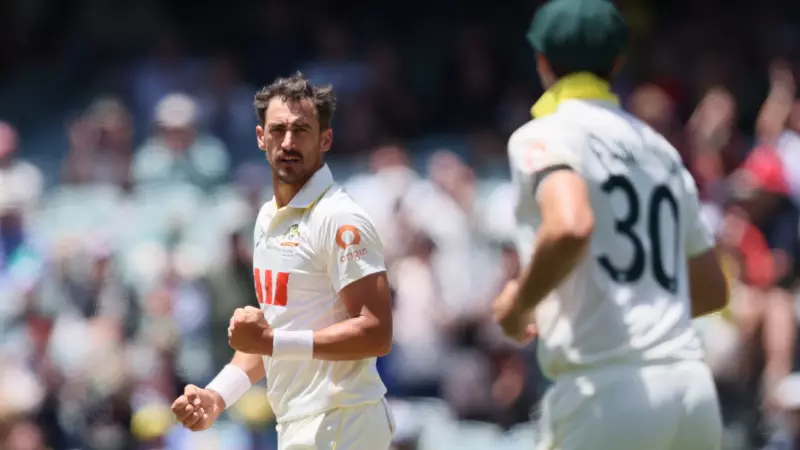
Australian fast bowler Mitchell Starc has launched a strong appeal for the International Cricket Council (ICC) to standardize and fund the Decision Review System (DRS) technology used worldwide. His comments come in the wake of a controversial DRS incident involving England's Jamie Smith during the third Ashes 2025-26 Test at the Adelaide Oval, which left players and fans frustrated.
Adelaide Oval Incident Sparks DRS Debate
The controversy erupted on December 22, 2025, during the high-stakes Ashes Test match. England wicketkeeper-batter Jamie Smith was at the centre of two contentious DRS appeals. After the first appeal went in Smith's favour, a frustrated Starc was clearly heard on the stump microphone stating that "Snicko needed to be sacked." The 35-year-old left-arm pacer expressed that the inefficiency in making correct decisions was aggravating for everyone involved, including viewers, officials, and broadcasters.
Starc's Direct Challenge to the ICC
Following the on-field drama, Starc posed critical questions about the governance and implementation of cricket's review technology. "Why doesn't the ICC pay for it?" he asked, highlighting a fundamental flaw in the current system. Starc argued for a single, universal technology provider across all international series to reduce confusion and inconsistency.

"The officials use it, right? So why doesn't the ICC pay for it? And why is it not just one [provider] across the board?" Starc said. He emphasized that using the same technology globally would create less frustration and build greater trust in the decision-making process.
Growing Calls for ICC Intervention
Starc's views found strong support from former England captain Michael Vaughan, who was commentating during the Adelaide Test. Vaughan labelled the Snicko incident a "shocker" and stated that players and umpires had lost faith in the system. He squarely placed the responsibility on the ICC's shoulders.
"The ICC needs to look at themselves in the mirror," Vaughan stated on the BBC. He pointed out that host broadcasters, who pay enormous sums for rights, and home boards are unlikely to invest in the best available technology. "The ICC should be paying for whatever the best technology is," he asserted, echoing Starc's demand for the global body to take financial and operational control.
The DRS, introduced in 2008 during a Test series between India and Sri Lanka, was designed to eliminate obvious errors from the game. However, the recent Ashes controversy has exposed significant gaps in its uniform application and reliability, prompting calls for a major overhaul led by the sport's top governing body.