Rain Clouds Loom Over T20 World Cup Super 8s in Sri Lanka
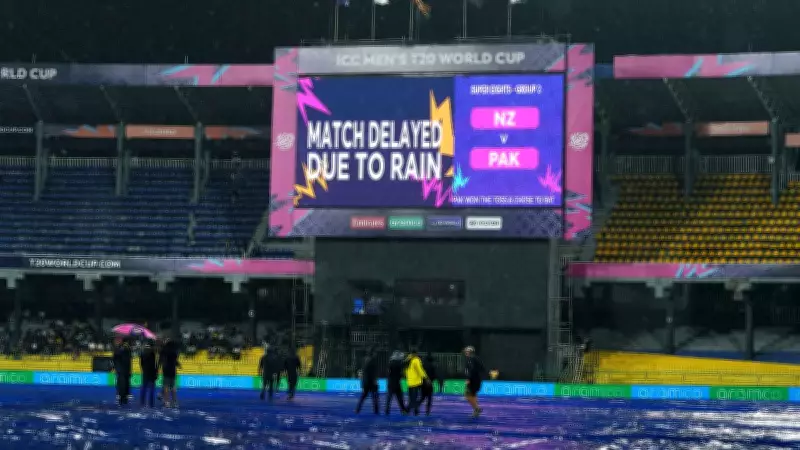
The T20 World Cup 2026 has hit a major weather snag, with persistent and heavy rainfall in Sri Lanka threatening to derail the entire Super 8s stage for Group B. The International Cricket Council (ICC) and tournament organizers are on high alert as forecasts predict continuous downpours that could lead to the abandonment of all scheduled matches in this crucial group.
Understanding the Super 8s Group B Setup
The Super 8s stage is divided into two groups of four teams each. Group B, hosted in Sri Lanka, features a highly competitive mix of international sides battling for just two semifinal berths. The teams have been playing a round-robin format, where each side faces the others once. Points are awarded for wins, and net run rate (NRR) serves as the primary tiebreaker.
The current predicament is unprecedented: If rain washes out every remaining match in Group B, no further points can be earned by any team. This scenario would leave the group standings frozen at their current state, forcing officials to rely entirely on pre-existing NRR calculations to determine which two teams progress to the knockout stage.

How Net Run Rate Becomes the Deciding Factor
Net run rate is a critical metric in limited-overs cricket, calculated by subtracting the average runs conceded per over from the average runs scored per over. In the event of total washouts, this statistical measure transforms from a tiebreaker into the sole criterion for qualification.
Teams with a superior NRR will automatically secure their spots in the semifinals, regardless of their win-loss record or total points. This places immense importance on every run scored and conceded during the group stage matches that were successfully completed before the rain arrived.
- Teams must have focused on aggressive batting and economical bowling throughout their earlier games to build a healthy NRR cushion.
- Even a single poor performance could drastically alter a team's NRR, potentially costing them a semifinal place without playing another ball.
- The ICC's playing conditions clearly state that NRR is the first tiebreaker when points are equal, making it the definitive rule in such weather-affected scenarios.
Potential Outcomes and Team Strategies
Cricket analysts are already running simulations based on current NRR standings. Teams that entered the Super 8s with strong NRRs from the initial group stage may find themselves at a significant advantage. Conversely, sides that relied on close wins or suffered heavy defeats could be vulnerable.
- Teams might retrospectively regret conservative approaches in earlier matches, where maximizing NRR was not prioritized.
- Captaincy and coaching decisions regarding declarations or bowling changes in completed games will be scrutinized under this new light.
- The situation highlights the unpredictable nature of tournament cricket, where external factors like weather can override on-field performances.
This scenario also raises questions about tournament scheduling and venue selection, particularly in regions known for monsoon seasons. While the ICC incorporates rain rules and reserve days, consecutive washouts in a condensed tournament phase present unique challenges that test the robustness of the competition's format.
Looking Ahead: Implications for the Tournament
If Group B is decided by NRR alone, it could lead to controversial eliminations and unexpected semifinalists. Fans and pundits may debate the fairness of a system where weather dictates outcomes more than actual cricket. However, the rules are established beforehand, and all participating nations are aware of these contingencies.
The ICC will likely face pressure to review its protocols for future tournaments, possibly considering more flexible scheduling, additional reserve days, or alternative venues for critical stages. For now, all eyes remain on the Sri Lankan skies, with teams, officials, and millions of cricket enthusiasts hoping for a break in the clouds to allow the sport to decide its champions on the field.