T20 World Cup 2026: The Urgent Need to Revamp Top-Order Batting
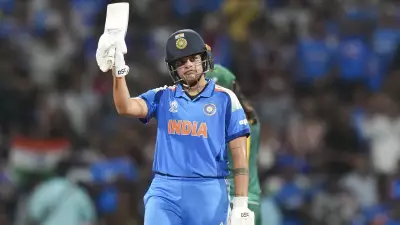
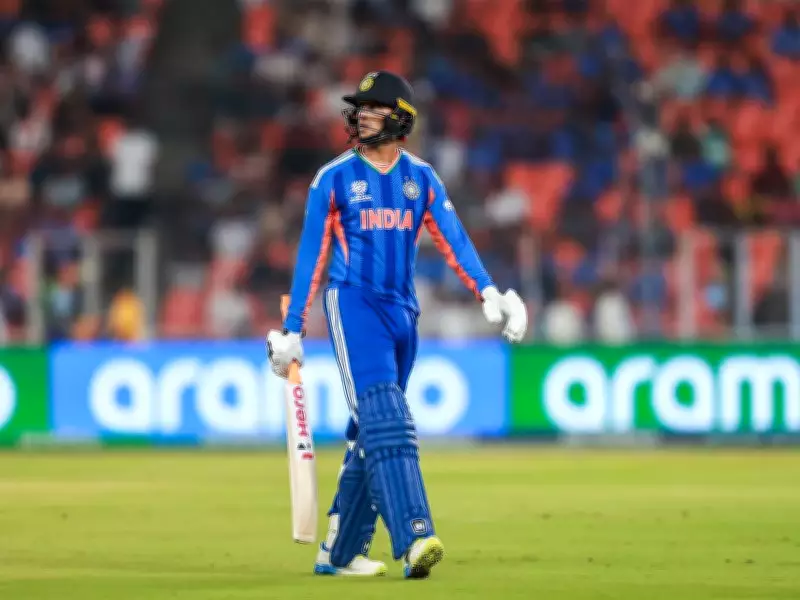
With the T20 World Cup 2026 on the horizon, cricket teams worldwide are grappling with a critical challenge: the persistent instability and underperformance of their top-order batting. Recent tournaments have exposed glaring weaknesses in opening partnerships, where early wickets and slow starts have derailed campaigns and left middle-order batsmen under immense pressure. This issue is not confined to a single nation but is a global concern affecting both established cricketing powerhouses and emerging teams.
Analyzing the Root Causes of Top-Order Failures
The problems plaguing top-order batsmen are multifaceted, stemming from a combination of technical flaws, psychological pressures, and evolving bowling strategies. In the high-stakes environment of T20 cricket, openers face relentless aggression from fast bowlers and spinners alike, often in conditions that favor swing or seam movement. Many batsmen struggle to adapt to the dynamic nature of modern T20 bowling, which includes deceptive variations, pinpoint yorkers, and strategic field placements designed to induce errors.
Moreover, the mental aspect cannot be overlooked. The pressure to provide explosive starts while minimizing risk can lead to tentative play or reckless shots, resulting in early dismissals. This is compounded by the expectation to anchor the innings, a dual role that few batsmen manage consistently. Data from recent World Cups reveals a troubling trend: top-order collapses in the powerplay overs have directly correlated with team losses, underscoring the need for a more robust approach.

Strategic Solutions for Building a Resilient Top Order
To address these challenges, cricket boards and coaching staff must implement comprehensive strategies focused on specialization, innovation, and mental fortitude. First and foremost, teams should invest in specialized training programs tailored for openers, emphasizing skills such as playing against the new ball, handling short-pitched deliveries, and mastering innovative shots like the scoop and ramp. These programs should incorporate advanced technology, such as video analysis and biomechanical assessments, to identify and correct technical deficiencies.
Secondly, selection policies need to be more data-driven and flexible. Instead of relying on past reputations, selectors should prioritize current form, adaptability, and performance in high-pressure scenarios. This might involve grooming younger talents with proven track records in domestic T20 leagues or experimenting with unconventional pairings that complement each other's strengths. For instance, pairing an aggressive hitter with a more conservative anchor could provide balance and stability.
Mental conditioning is another critical area. Sports psychologists should work closely with top-order batsmen to develop coping mechanisms for pressure situations, such as mindfulness techniques and visualization exercises. Building confidence through simulated match scenarios and exposure to diverse playing conditions can also enhance resilience. Additionally, fostering a supportive team environment where openers are encouraged to take calculated risks without fear of reprisal can lead to more expressive and effective batting.
The Role of Innovation and Adaptability in Future Success
As T20 cricket continues to evolve, so must the approach to top-order batting. Teams that embrace innovation—whether through new shot selections, strategic use of the crease, or data analytics to exploit bowler weaknesses—will gain a competitive edge. For example, analyzing opposition bowling patterns and tailoring game plans accordingly can help openers anticipate and counter threats more effectively.
Furthermore, adaptability to varying pitches and weather conditions is paramount. Top-order batsmen must be prepared to adjust their techniques and strategies on the fly, whether playing on slow, turning tracks or fast, bouncy surfaces. This requires not only technical versatility but also a deep understanding of match contexts, such as target chases versus setting totals.

In conclusion, fixing the top-order batting crisis ahead of the T20 World Cup 2026 demands a holistic and proactive approach. By combining specialized training, data-driven selection, mental conditioning, and a willingness to innovate, teams can build opening partnerships that are not only resilient but also capable of dominating from the first ball. The journey to 2026 offers a crucial window for experimentation and refinement, with the potential to redefine success in the shortest format of the game.