Shashi Tharoor Condemns Pakistan's Boycott of India Match as 'Disgraceful'
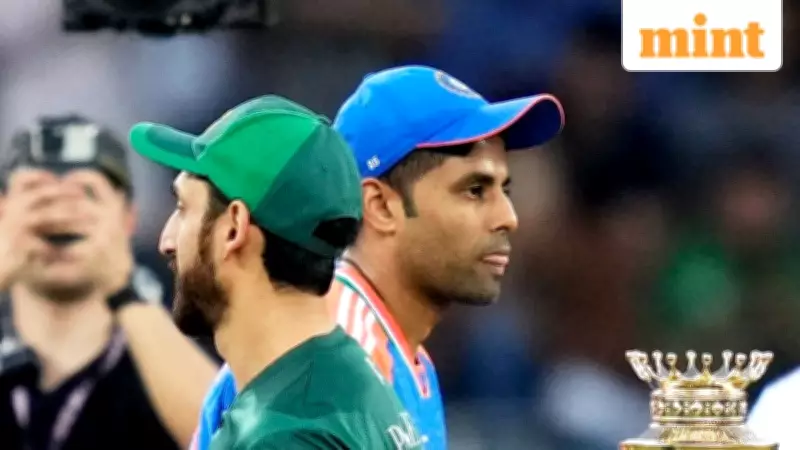
Congress leader and Member of Parliament Shashi Tharoor expressed strong disapproval on Monday regarding Pakistan's decision to boycott its group-stage match against India in the upcoming ICC Men's T20 World Cup. The ardent cricket lover described the move as "pretty disgraceful" while condemning what he termed the politicization of sports on both sides.
Political Protest Overshadows Sporting Event
The scheduled match between the arch-rivals was set to take place on 15 February at the R Premadasa Stadium in Sri Lanka. While Pakistan will participate in all other tournament matches, reports suggest the government has instructed the team to boycott specifically the India encounter as a political protest. "Pretty disgraceful that sport has been politicised in this way on both sides, frankly," Tharoor told reporters outside Parliament during the Budget Session.
Historical Context of India-Pakistan Cricket Relations
Tharoor referenced previous instances where politics interfered with cricket, specifically mentioning Bangladeshi cricketer Mustafizur Rahman being denied his IPL contract with Kolkata Knight Riders amid deteriorating India-Bangladesh relations. "It was most unfortunate. Intrusion of politics, I think the Bangladeshi reaction was an overreaction but it is also a reflection of the same and Pakistan is trying to show its solidarity with Bangladesh," he explained.

The India-Pakistan cricket rivalry represents one of the most intense sporting competitions globally, with matches at any level drawing massive viewership. A 2023 CNN report noted that these encounters are considered "five times bigger than the Super Bowl," with potential viewership exceeding 500 million people.
Statistical Overview of the Rivalry
- The two teams have met 211 times across formats, with Pakistan winning 88 matches and India 80
- In ICC World Cup encounters, India dominates with 15 victories out of 16 meetings
- The last full bilateral tour occurred in 2007, with no bilateral series since
- Political tensions have limited matches to ICC tournaments and Asia Cups in recent years
Recent Controversies and Political Reactions
The rivalry has witnessed multiple controversies recently, including fines for players from both sides during Asia Cup matches for on-field behavior. Pakistani pacer Haris Rauf faced penalties for provocative gestures, while Indian captain Suryakumar Yadav was fined for dedicating a victory to Indian armed forces.
Political voices in India have also criticized the continuation of matches with Pakistan. Shiv Sena (UBT) MP Priyanka Chaturvedi described Pakistan's boycott decision as a "slap on the face of the Sports Minister of India," questioning why earlier calls to cancel matches were ignored.
Institutional Responses and Future Implications
The International Cricket Council issued a statement acknowledging governmental roles in national policy while expressing concern that Pakistan's decision "is not in the interest of the global game or the welfare of fans worldwide." The ICC warned about potential long-term implications for cricket in Pakistan and the global cricket ecosystem.
BCCI vice president Rajeev Shukla stated the Indian board would consult with ICC before commenting, emphasizing agreement with the global body's emphasis on sportsmanship.
Tharoor's Call for Resolution
The Congress MP expressed concern that the situation appears to be "spiralling out of control" and called for urgent dialogue. "The need is to reach an understanding that sports, especially a sport like cricket, which means so much to so many people, should be a means of bringing us together, at least on the playing field," Tharoor emphasized.
He suggested the ICC could serve as a platform for emergency discussions, stating "let's call off this nonsense...You can't go on like this forever." The former Union Minister characterized the current impasse as a wake-up call for all stakeholders to prevent further politicization of cricket between the neighboring nations.