The United States might not rank cricket as its top sport, but for Indians and people of Indian descent across the globe, the game feels like home. From the bustling streets of Kolkata to sunny California, cricket carries deep cultural significance. This bond recently lit up the internet after the USA Under-19 team's lineup for a match against India caught everyone's eye on social media.
Social Media Erupts with Humor
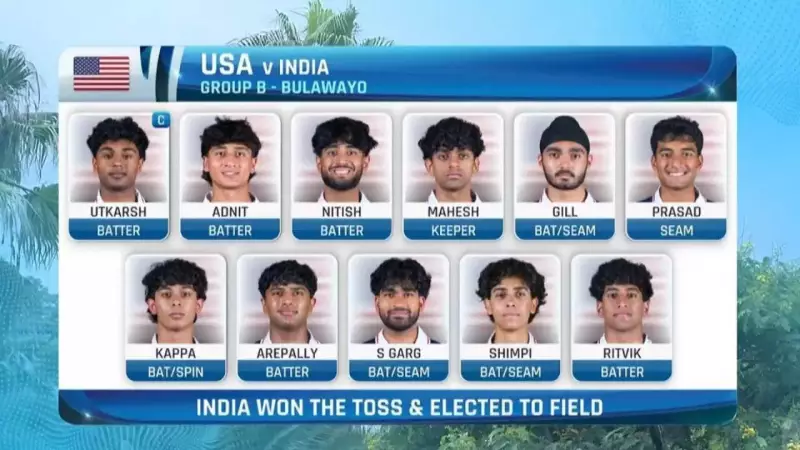
A post showcasing the USA U19 playing eleven quickly spread online. It triggered a wave of jokes, with many users quipping that it resembled "Group H1B" more than "Group B." The graphic featured several players with distinctly South Asian names, leading to hilarious reactions. People compared the upcoming match to an "India vs NRIs" contest, referring to Non-Resident Indians.
Users on X shared the team sheet extensively. Numerous comments pointed out how the names sounded familiar, like those you might hear during a casual gully cricket match in India. The online banter turned a simple team announcement into a viral moment.

Cricket's Growing American Footprint
This online buzz arrives as cricket's presence in the US continues to grow steadily. While American football, basketball, and baseball dominate mainstream popularity, cricket has carved out its own space. In cities with large South Asian communities, the sport has flourished for years.
Weekend leagues, local clubs, and community-run tournaments keep the passion alive. These networks actively foster youth participation through organized coaching, dedicated academies, and clear development pathways. The International Cricket Council (ICC) has been actively pushing to expand the sport into new regions, and the United States plays a crucial role in this long-term strategy.
A Platform for Growth
America co-hosted the last T20 World Cup, providing international cricket with a rare, high-profile stage on US soil. This event helped introduce the game to fresh audiences and boosted its visibility. For many cricket enthusiasts, the USA U19 team sheet represented more than just a meme. It showcased how immigrant communities continue to shape cricket's evolution in non-traditional cricket nations.
This influence is particularly noticeable at the junior level, where future national teams are being nurtured and built. The connection between diaspora communities and the sport's growth remains strong and visible.