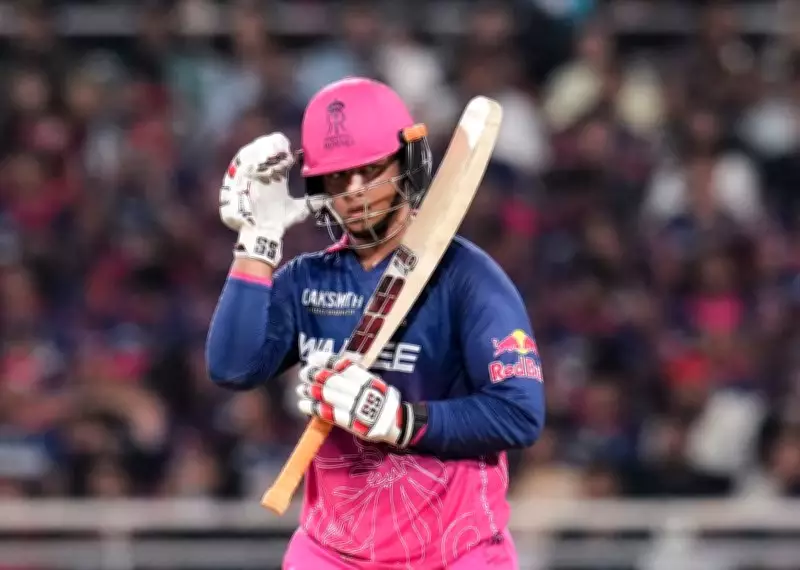
Fifteen-year-old cricket prodigy Vaibhav Sooryavanshi's rapid financial rise has drawn attention to how Indian tax laws apply to high-earning minors. With an estimated net worth of Rs 7 crore from IPL earnings and brand endorsements, the young cricketer's success has sparked curiosity about his tax obligations and filing requirements.
Understanding Minor Taxation Under Indian Law
Under the Income Tax Act, individuals below the age of 18 are classified as minors. In most cases, a minor's income is subject to the clubbing provisions under Section 64(1A), which require such income to be added to the taxable income of the higher-earning parent. This rule generally applies to passive income, such as interest earned on fixed deposits or returns from investments held in the child's name.
Exception for Talent-Based Earnings
However, Sooryavanshi's earnings fall under an important exception. Income generated through a minor's own talent, skill, specialised knowledge or professional effort is taxed separately in the minor's name and is not clubbed with a parent's income. Since Sooryavanshi's wealth is derived from his cricket skills, these earnings are treated as his independent taxable income.

Filing Requirements for Minors
In such cases, a separate Income Tax Return (ITR) must be filed for the minor, typically using ITR-3 or ITR-4 where applicable, with a parent or guardian acting as the representative assessee. While income arising from a minor's professional talent is taxed separately, any passive income that remains subject to clubbing provisions offers only limited relief. Parents can claim an exemption of Rs 1,500 per child against such clubbed income.
Growing Need for Tax Awareness Among Teenage Earners
As the number of high-earning teenage athletes and influencers grows, tax experts caution that failing to distinguish between talent-based earnings and passive investment income can result in incorrect tax reporting and potential compliance issues. Vaibhav Sooryavanshi's case serves as a reminder for young earners and their guardians to understand the nuances of tax laws to avoid penalties.