Explosive New Twist in Vrabel-Russini Photo Saga
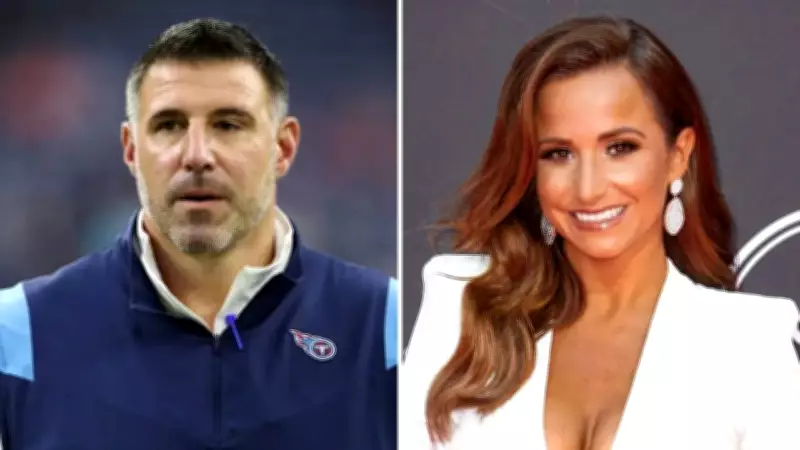
What began as a social media controversy has evolved into a complex investigation of media ethics and digital commerce. New reports reveal that the now-famous photographs of NFL coach Mike Vrabel and ESPN reporter Dianna Russini were not merely leaked but were actively marketed to news organizations for financial gain.
The Business of Scandal: Photos Reportedly Offered for Sale
According to emerging information, an anonymous tipster approached multiple media outlets, including TMZ, offering the controversial images for a price reportedly in the "four figures." This individual was not connected to any established paparazzi network, adding layers of mystery to an already complicated situation. The critical question remains whether money actually changed hands before the photographs became public, with no clear answers about who ultimately facilitated their publication.
The New York Post has declined to explain how it obtained the material, creating a significant gap in the timeline that continues to fuel speculation. This development transforms the narrative from a simple privacy breach to a story about how personal moments can become commercial commodities in today's digital landscape.

Professional Fallout and Public Backlash
The professional consequences have been particularly severe for Dianna Russini. When she attempted to return to social media with what appeared to be a routine post, the comments section turned hostile within minutes. This immediate backlash demonstrates the growing challenges faced by journalists covering major sports leagues like the NFL, where credibility once questioned becomes exceptionally difficult to rebuild in real time.
Meanwhile, Mike Vrabel has maintained a notably low public profile throughout the controversy. The story continues to develop without any official response from the New England Patriots organization, leaving many questions unanswered about the professional implications for both individuals involved.
Broader Implications for Sports Media and Digital Culture
This situation now sits at the intersection of sports, media ethics, and digital culture, where perceptions often travel faster than verified facts. The controversy raises fundamental questions about:
- How personal moments become public commodities
- The ethical boundaries of sports journalism
- The mechanisms through which stories are sold and distributed
- Why certain moments capture public attention while others fade
Both Vrabel and Russini have publicly denied any wrongdoing, but the debate shows no signs of dissipating. In an era of rapid news cycles and rampant speculation, this case may require more time to fully resolve than initially anticipated.
The controversy underscores the increasing difficulty journalists face when covering public figures, particularly in high-stakes environments like professional sports. As digital platforms accelerate the spread of information—and misinformation—the lines between personal privacy, professional ethics, and commercial interests continue to blur.