Former Cricketer Atul Wassan Calls for Diplomatic Approach in BCB-ICC Standoff
Former India cricketer Atul Wassan has offered his perspective on the escalating tensions between the Bangladesh Cricket Board (BCB) and the International Cricket Council (ICC) regarding the upcoming T20 World Cup 2026. Wassan emphasized that Bangladesh should focus on easing diplomatic strains with India rather than pursuing a last-minute relocation of its matches from Indian venues.
Logistical Nightmare and Security Assurance
In an exclusive interview with ANI, Wassan highlighted the impracticality of shifting matches at this advanced stage of tournament preparations. "It is a logistical nightmare for the ICC," he stated, explaining that the extensive planning for the T20 World Cup has been underway for a considerable time, making any venue changes virtually impossible with the event approaching.
Wassan firmly dismissed security concerns raised by the BCB, asserting India's capability to ensure safety for all participating teams. "I don't think there will be any security issues in India. We have foolproof security and safety measures in place here," he affirmed, reinforcing confidence in India's preparedness to host international cricket events.

Captain Litton Das as Bridge-Building Opportunity
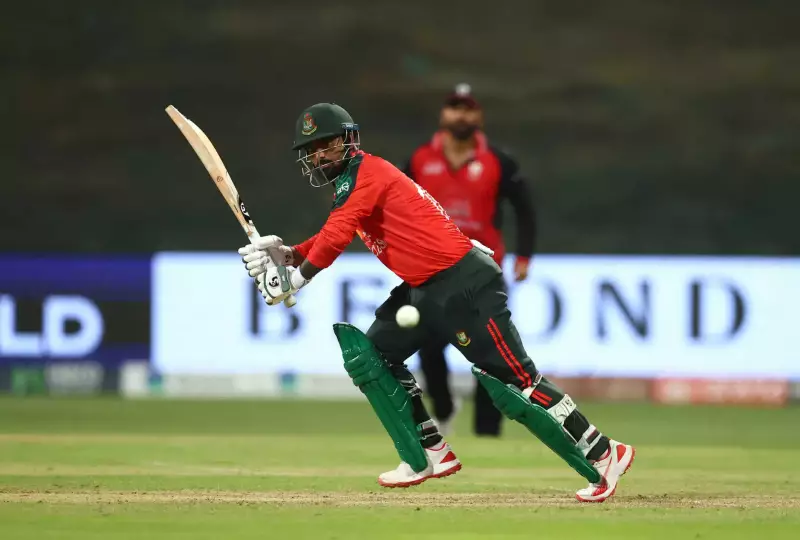
The former cricketer pointed to the appointment of Litton Das as Bangladesh's captain as a potential catalyst for improving bilateral relations. "Your captain is a Hindu, and I think Bangladesh should use the tournament as an olive branch and assuage the ongoing tensions," Wassan suggested, viewing the sporting event as a platform for diplomatic reconciliation between the neighboring nations.
ICC's Firm Stance and BCB's Persistent Position
Following a recent ICC Board meeting conducted via video conference, the global cricket governing body confirmed that the T20 World Cup 2026 would proceed as scheduled, with Bangladesh's matches remaining in India. This decision came after the BCB formally requested moving its fixtures to Sri Lanka, citing security apprehensions.
Wassan characterized Bangladesh's request as misaligned with the ICC's position and impractical given the time constraints. "You cannot just wake up one day and write a letter asking for your matches to be shifted. Things don't move in this manner," he remarked, implying that the BCB likely received a clear directive from the ICC to comply with existing arrangements.
Despite the ICC's definitive ruling, BCB president Aminul Islam Bulbul reiterated the board's steadfast position on Thursday, maintaining their decision not to play World Cup matches in India. This ongoing disagreement creates uncertainty as the Men's T20 World Cup, co-hosted by India and Sri Lanka, approaches its scheduled commencement on February 7.
Broader Implications for International Cricket Relations
The standoff raises important questions about:
- The balance between security concerns and tournament logistics in international cricket
- The role of sporting events in diplomatic relations between nations
- The authority of global sporting bodies versus national cricket boards
- The practical challenges of last-minute changes in major tournament planning
Wassan's comments reflect a broader perspective that views cricket not just as a sport but as a potential instrument for fostering international understanding and cooperation, particularly between countries with complex historical and political relationships.