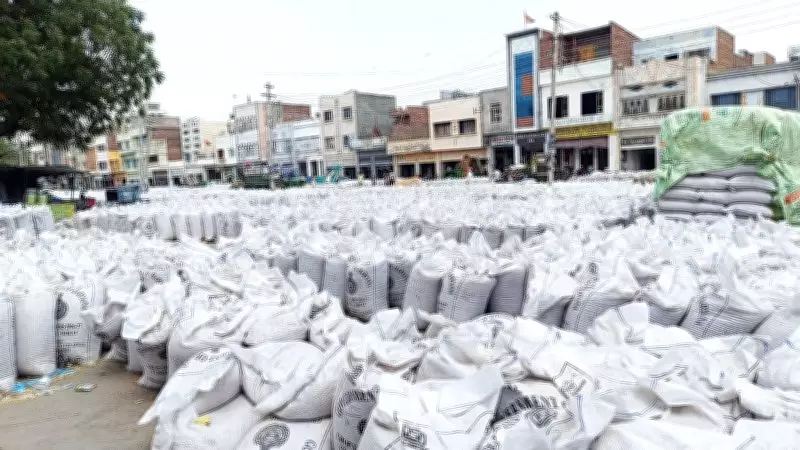
Farmers in Sirsa district are facing significant losses as delays in wheat lifting by government agencies have stalled payments for their produce. Despite the procurement season being in full swing, thousands of quintals of wheat remain unsold in various mandis, causing distress among growers.
Delayed Lifting Causes Storage Issues
The slow pace of lifting has led to congestion in mandis, with farmers forced to wait for days to sell their wheat. Many have reported that the lack of proper storage facilities has resulted in grain deterioration, further adding to their losses. The situation is particularly acute in the larger mandis of Sirsa, where the arrival of wheat has surpassed the lifting capacity.
Payment Hurdles for Farmers
As a direct consequence of the delayed lifting, farmers are not receiving timely payments. The procurement agencies, including the Food Corporation of India (FCI) and state-run agencies, are unable to process payments until the wheat is physically lifted and verified. This has created a cash flow crisis for many small and marginal farmers who rely on the sale proceeds to meet their immediate expenses.

Government Response
District officials have acknowledged the problem and assured that steps are being taken to expedite the lifting process. Additional storage space is being arranged, and the deployment of more trucks and labor has been ordered. However, farmers remain skeptical, citing similar delays in previous years.
Impact on Farmers' Livelihood
The delays have not only affected the income of farmers but also their ability to plan for the next sowing season. Many are forced to sell their wheat at lower prices in the open market to avoid further losses. The situation highlights the persistent issues in the procurement system that need urgent attention to ensure farmers get fair prices and timely payments.