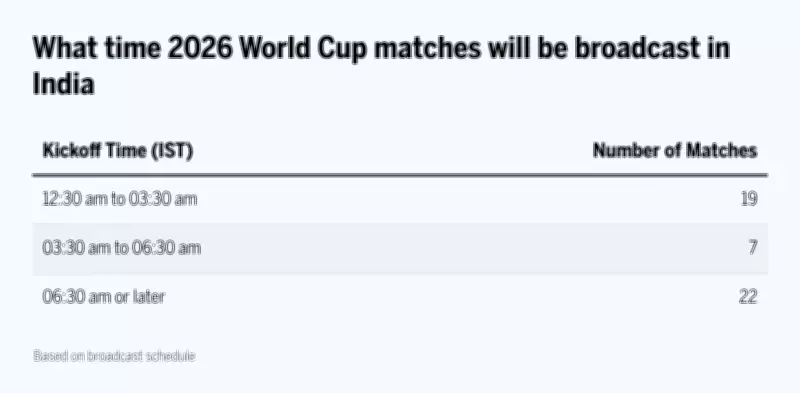
With just one month remaining until the 2026 FIFA World Cup kicks off in the United States on June 11, fans in India and China—the world's two most populous nations—still have no clear information on where they can watch the tournament. The Reliance-Disney joint venture, which operates the JioHotstar streaming platform, has submitted a bid of $20 million for the broadcast rights to the 2026 World Cup. However, this amount is far below what FIFA is demanding, leading the sport's governing body to reject the offer.
Current Status of Negotiations
According to sources, FIFA is seeking a significantly higher fee for the broadcasting rights in India, a key market with a massive football fan base. The Reliance-Disney consortium's offer of $20 million is considered a fraction of the desired amount, creating a stalemate in negotiations. As a result, Indian fans face uncertainty about accessing live matches, highlights, or even delayed telecasts of the tournament.
Impact on Viewers
This lack of clarity is causing frustration among football enthusiasts in India, who are eager to follow their favorite teams and players. The World Cup is one of the most-watched sporting events globally, and India's large and growing football audience could be left without legal broadcast options. Alternative methods, such as streaming via unofficial channels, may pose risks including poor quality and legal issues.

Historical Context
In previous World Cups, Indian broadcasters like Sony Pictures Networks India have secured rights for significant sums. For the 2022 Qatar World Cup, Sony reportedly paid around $100 million. The current low offer from Reliance-Disney may reflect a strategic move to test FIFA's willingness to lower its price, but it risks leaving fans without coverage.
What's Next?
Negotiations are ongoing, but time is running out. If an agreement is not reached soon, Indian fans may have to rely on international streaming services or travel to view matches. The Reliance-Disney joint venture has not commented on the status of talks, and FIFA has not indicated any flexibility in its demands. As the clock ticks down, the football community in India waits anxiously for a resolution.
In the meantime, fans are advised to monitor official announcements from FIFA and potential broadcasters. The situation remains fluid, and a last-minute deal cannot be ruled out. However, with only weeks to go, the window for a smooth broadcast arrangement is narrowing.