Zaheer Khan Breaks Silence on Infamous 2010 Ponting Confrontation
More than a decade after one of cricket's most memorable on-field flashpoints, former Indian fast bowler Zaheer Khan has finally unveiled the exact words that ignited his heated exchange with Australian captain Ricky Ponting during the 2010 Mohali Test match. The long-standing mystery surrounding the incident has been resolved, providing cricket fans with a fascinating glimpse into the psychological warfare of elite Test cricket.
The Moment That Sparked the Confrontation
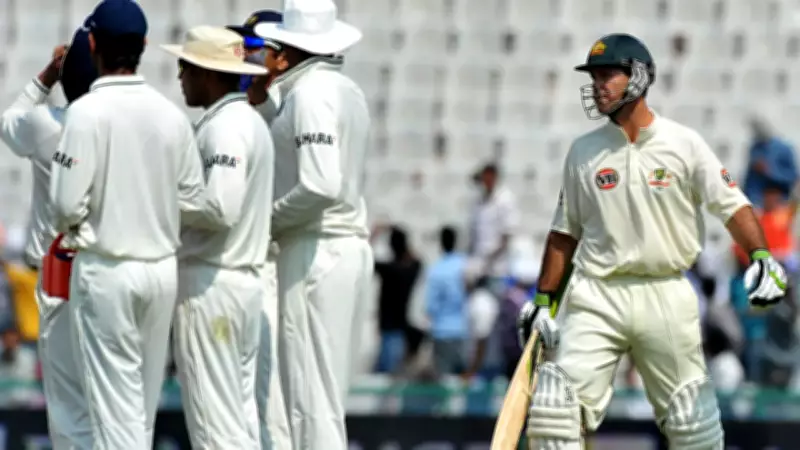
The dramatic incident unfolded during a crucial phase of the Test match when Australian captain Ricky Ponting was run out following a sharp direct hit from Indian fielder Suresh Raina. Ponting's dismissal came at a pivotal moment, and the Australian skipper clearly expressed his displeasure as he walked off the field. In a moment captured in cricketing lore, Ponting turned back, pointed his bat, and engaged in a brief but intense verbal exchange with Indian players before on-field umpires intervened to separate the parties.
For years, cricket enthusiasts worldwide speculated about what exactly triggered Ponting's animated reaction. The verbal altercation became one of the most discussed flashpoints in India-Australia cricket history, with fans and analysts debating what might have been said during those heated moments.

"You Think You Were Usain Bolt?" - The Revealing Remark
Zaheer Khan has now put all speculation to rest during an interview with Indian Express, where he revealed the cheeky remark that sparked the confrontation. "You think you were Usain Bolt?" Zaheer said with a smile, recalling his comment aimed at Ponting's attempted quick single. The reference to the world's fastest man was delivered as the Indian team celebrated the crucial breakthrough, adding a layer of psychological gamesmanship to the already tense situation.
The former Indian pace spearhead shared his broader perspective on sledging in cricket, offering insights that go beyond mere verbal aggression. "Sledging is not about use of bad words. It's using it to your advantage, and not losing yourself in the process," Zaheer explained, highlighting the strategic element of psychological warfare in competitive cricket.
Context of the Historic Mohali Test
The October 2010 Mohali Test remains one of the most dramatic matches in Test cricket history, with India pulling off a stunning one-wicket victory against Australia. The match featured numerous twists and turns that have cemented its place in cricketing folklore:
- Australia set India a challenging target of 216 runs in the fourth innings
- India collapsed early to 124/8, seemingly heading toward certain defeat
- VVS Laxman played a heroic unbeaten 73 despite battling severe back pain
- Tailender Ishant Sharma contributed a crucial 31 runs in a vital partnership
- Last man Pragyan Ojha survived tense moments to seal the miraculous victory
Australian captain Ricky Ponting's team had multiple opportunities to secure victory, most notably a dropped catch by Nathan Hauritz that proved extremely costly in the final outcome. The match represented high-stakes cricket at its finest, with national pride and series momentum hanging in the balance.
Perspectives on Competitive Spirit
Reflecting on the incident years later, Indian spinner Pragyan Ojha offered a balanced perspective that captures the essence of elite Test cricket competition. "When two top teams compete hard, words are exchanged, that's cricket," Ojha remarked, emphasizing that such exchanges are part of the intense competitive environment, particularly in Test cricket where matches unfold over five days of sustained pressure.
The revelation from Zaheer Khan provides not just closure to a long-standing cricketing mystery but also offers valuable insights into the mind games that form an integral part of international cricket. It demonstrates how elite athletes use psychological tactics alongside physical skills to gain competitive advantages, while maintaining the spirit of sportsmanship that defines the gentleman's game.