The FIFA World Cup 2026 kicked off with an electrifying opening match as co-hosts Mexico secured a 2-0 victory over South Africa at the Mexico City Stadium. While the home crowd celebrated a dream start, the match was overshadowed by an unprecedented event: three red cards were issued, sparking debates about a potential shift toward stricter officiating in the tournament.
Match Overview
Mexico dominated the game from the outset, displaying tactical prowess and relentless energy. The first goal came in the 23rd minute when forward Carlos Vela capitalized on a defensive error, slotting the ball past South African goalkeeper Ronwen Williams. The second goal was added in the 67th minute by Hirving Lozano, who finished a swift counter-attack to seal the win. However, the scoreline was not the main talking point.
Red Card Incidents
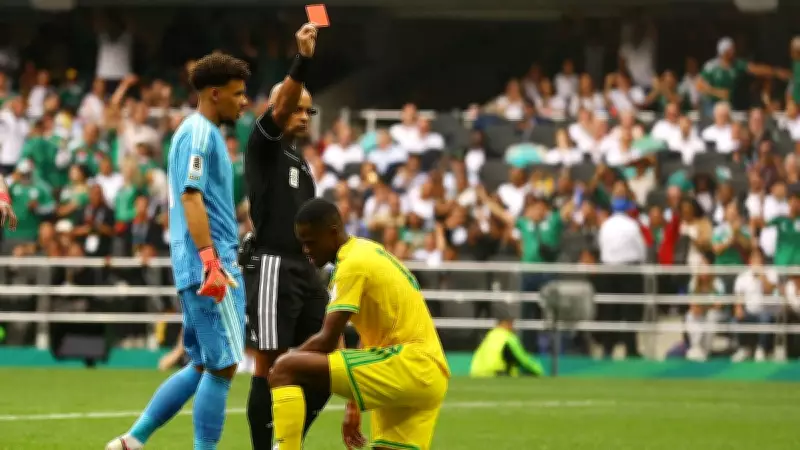
The first red card was shown to South Africa's midfielder Teboho Mokoena in the 35th minute for a dangerous tackle on Mexican captain Andrés Guardado. The second came just before halftime when Mexico's defender César Montes received a straight red for a high boot that caught South Africa's Percy Tau in the face. The third red card was issued in the 78th minute to South Africa's substitute striker Evidence Makgopa for a violent conduct off the ball.

This marks the first time in World Cup history that three red cards have been shown in an opening match. Fans and pundits alike have questioned whether this signals a new era of stricter enforcement of rules by referees.
Implications for the Tournament
FIFA's recent emphasis on player safety and fair play may have influenced the referees' decisions. The match officials, led by referee Wilton Sampaio, appeared to adopt a zero-tolerance policy toward reckless challenges and unsportsmanlike behavior. This could set a precedent for the rest of the World Cup, potentially leading to more disciplinary actions.
Mexico will now face a defensive reshuffle in their next match due to Montes' suspension, while South Africa must regroup after losing two key players. The tournament's disciplinary committee is expected to review the incidents for potential additional sanctions.
As the World Cup progresses, all eyes will be on the referees to see if this trend continues. For now, the opening match has made it clear: the 2026 edition is determined to prioritize discipline and safety above all else.