FIFA World Cup 2026 Media Rights Remain Unsold in India Despite Major Price Reduction
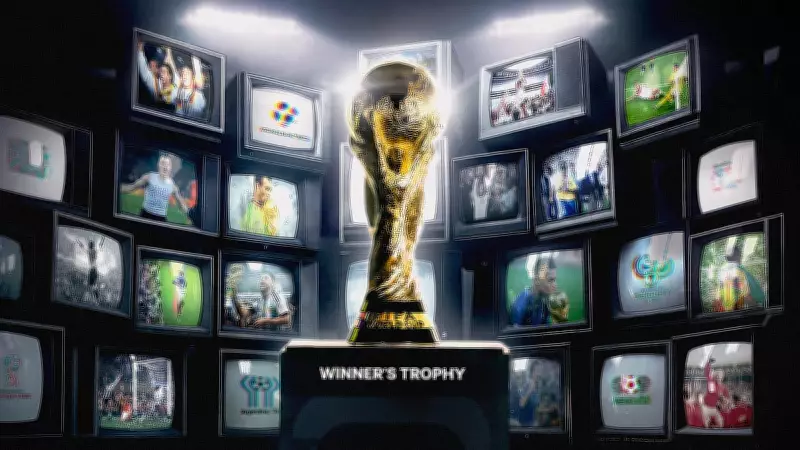
In a surprising development, FIFA has been unable to secure a buyer for the media rights to the FIFA World Cup 2026 and 2030 editions in the Indian market. This comes despite a significant price cut aimed at attracting broadcasters.
Substantial Discount Fails to Generate Interest
Initially, FIFA valued the combined media rights for the 2026 and 2030 World Cup tournaments at a substantial $100 million. However, in a recent move to stimulate demand, the global football governing body drastically reduced this asking price to $35 million. This represents a massive discount of $65 million, or 65% off the original valuation.
Despite this aggressive pricing strategy, no Indian media company has stepped forward to purchase the broadcasting rights. The lack of takers underscores the challenging economic landscape for sports broadcasting in the region.

Market Dynamics and Potential Reasons
Several factors may be contributing to this unexpected situation:
- High Costs: Even at the reduced price of $35 million, the investment required for media rights remains considerable, especially when factoring in production and marketing expenses.
- Viewership Patterns: While football has a growing fanbase in India, it traditionally lags behind cricket in terms of television ratings and advertiser interest.
- Economic Pressures: Broadcasters may be exercising caution due to broader economic uncertainties or shifting priorities in their sports portfolios.
- Digital Competition: The rise of digital streaming platforms could be altering traditional media rights negotiations, as companies reassess the value of linear television broadcasts.
This development raises questions about the commercial appeal of international football events in India, despite the country's large population and increasing sports consumption.
Implications for FIFA and Indian Football
The unsold media rights pose a significant challenge for FIFA, which relies on broadcasting revenue to fund its global operations and tournaments. For Indian football fans, this situation could potentially limit access to live coverage of the world's most prestigious football event, unless a last-minute deal is struck.
Industry analysts suggest that FIFA may need to reconsider its strategy for the Indian market, possibly through more flexible packaging or partnerships with local entities. The outcome of these negotiations will be closely watched as a barometer for the sports media landscape in one of the world's largest consumer markets.