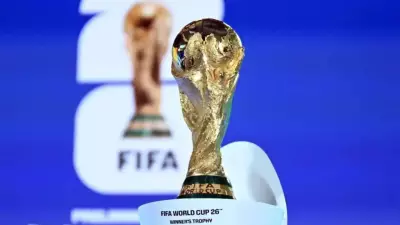
If anyone expected the 2026 FIFA World Cup to be a tribute act for Lionel Messi, that line of thought has been buried. The tournament, which began on June 15, 2026, has already shown that it is not a farewell tour for the Argentine legend but a fiercely competitive stage where legacy is forged anew.
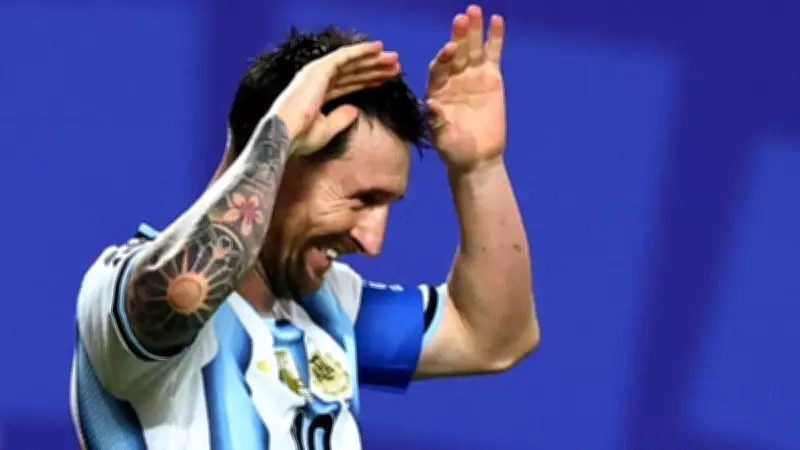
Messi's Role in a New Era
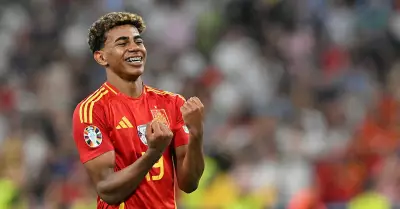
At 38, Messi is no longer the explosive dribbler of his youth, but his vision and passing remain world-class. However, the narrative has shifted. Teams no longer fear Argentina solely because of Messi; they respect the collective strength. The 2026 edition, hosted across North America, has seen emerging talents overshadow the old guard.
What This Means for Messi's Legacy
Messi's legacy is already secure with a World Cup win in 2022. But the 2026 tournament is redefining how we view him: not as a player needing a final bow, but as a symbol of longevity and adaptation. The question is no longer 'Will he win another?' but 'How will he influence the next generation?'

As the group stages unfold, fans and pundits alike are realizing that Messi's presence alone does not guarantee success. Argentina's campaign will depend on team dynamics, not individual brilliance. This shift in perspective marks a mature understanding of football's evolution.