FIFA President Asserts Iran's Participation in 2026 World Cup
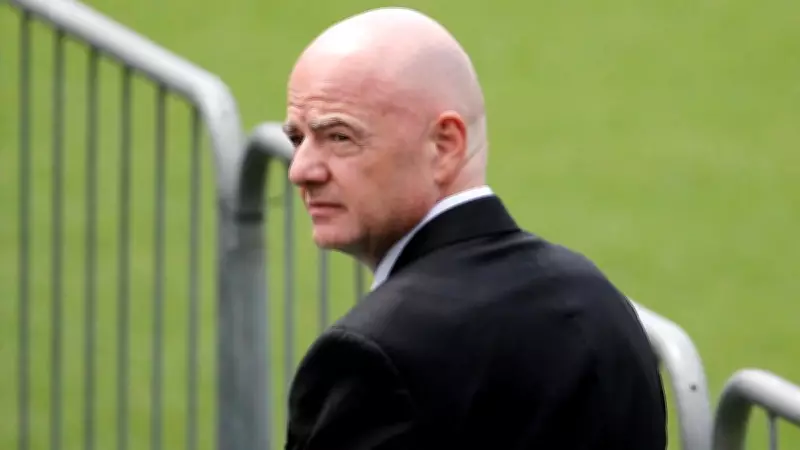
In a significant statement addressing the intersection of global sports and political tensions, FIFA President Gianni Infantino has confirmed that Iran will compete in the 2026 FIFA World Cup, despite the ongoing conflict in the region. Infantino emphasized that while the ideal separation of sports and politics is not always achievable, Iran's participation in the tournament is assured.
Infantino's Acknowledgment of Geopolitical Realities
The FIFA chief made these remarks in response to questions about how international conflicts impact major sporting events. He noted that FIFA operates within a complex global landscape where political issues often spill over into the realm of sports. "It is not always possible to achieve the complete separation of sports and politics," Infantino stated, highlighting the organization's efforts to navigate these challenges while maintaining the integrity of competitions like the World Cup.
This acknowledgment comes at a time when Iran is involved in regional hostilities, raising concerns about its involvement in international events. However, Infantino's firm stance underscores FIFA's commitment to inclusivity in football, even amid geopolitical strife.

Implications for the 2026 World Cup
The 2026 FIFA World Cup, set to be hosted across multiple cities in the United States, Canada, and Mexico, is already one of the most anticipated editions in the tournament's history. Iran's confirmed participation adds another layer of narrative to the event, as teams from conflict-affected regions often bring unique stories of resilience and unity to the global stage.
Infantino's comments suggest that FIFA is prepared to handle the logistical and diplomatic complexities that may arise from Iran's involvement. This includes potential security measures and diplomatic engagements to ensure a smooth tournament for all participating nations.
Broader Context in Sports and Politics
The relationship between sports and politics has long been a topic of debate, with events like the Olympics and World Cup frequently serving as platforms for geopolitical statements. Infantino's remarks reflect a pragmatic approach, recognizing that while sports can promote peace and dialogue, they are not immune to the realities of international conflicts.
In recent years, FIFA has faced criticism over its handling of political issues, such as human rights concerns in host countries. By addressing Iran's situation directly, Infantino may be aiming to demonstrate transparency and proactive management of such challenges ahead of the 2026 World Cup.
As preparations for the tournament continue, all eyes will be on how FIFA balances its sporting objectives with the broader geopolitical context, ensuring that football remains a unifying force in a divided world.