Iran's Potential Withdrawal from FIFA World Cup 2026 Sparks Global Concern
In a development that has sent ripples through the international football community, Iran is reportedly considering pulling out of the FIFA World Cup 2026. This potential move, if realized, could significantly alter the landscape of the quadrennial extravaganza, raising questions about political influences and logistical hurdles in global sports.
Background and Current Situation
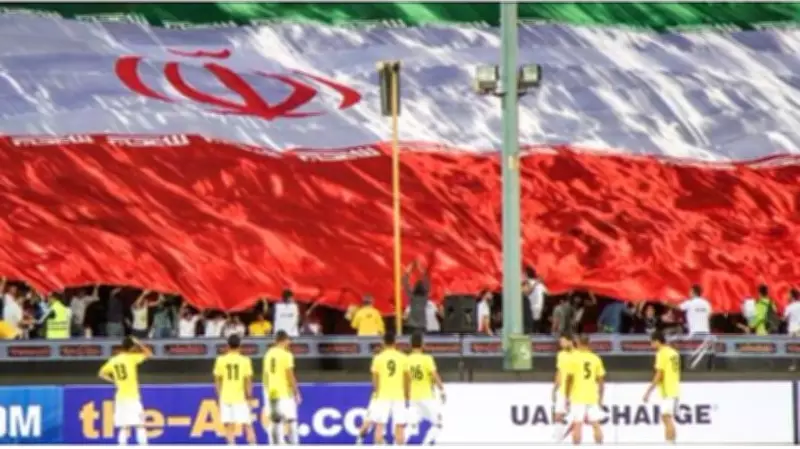
Iran, a prominent football nation with a rich history in the sport, has been a regular participant in World Cup tournaments. However, recent reports suggest that internal and external pressures might lead to their withdrawal from the 2026 edition. The decision is said to be influenced by a combination of factors, including geopolitical tensions and administrative challenges.
Sources indicate that the Iranian football federation is evaluating the feasibility of participation amid ongoing diplomatic strains and potential sanctions. This evaluation comes at a critical time as teams worldwide prepare for the expanded format of the 2026 World Cup, which will feature 48 teams, up from the previous 32.

Factors Influencing the Decision
Political Tensions: Iran's international relations, particularly with host countries and other participating nations, play a crucial role. Any escalation in diplomatic conflicts could complicate travel, security, and cooperation, making participation untenable.
Logistical Challenges: The 2026 World Cup will be hosted across multiple cities in the United States, Canada, and Mexico. Organizing travel, accommodations, and training facilities for a large squad and support staff requires substantial resources, which might be strained under current economic conditions.
Administrative Hurdles: Compliance with FIFA regulations and coordination with international bodies could pose additional obstacles, especially if there are disputes over governance or funding.
Impact on the Tournament and Global Football
If Iran withdraws, it would create a vacancy in the tournament lineup, potentially affecting the competitive balance. Other Asian teams might see an opportunity, but the absence of Iran could diminish the diversity and excitement of the event.
Moreover, this situation highlights broader issues in international sports, where political and economic factors increasingly intersect with athletic competition. It raises concerns about the inclusivity and stability of major tournaments like the World Cup.
Reactions and Future Outlook
Football fans and analysts worldwide have expressed concern over this possibility, emphasizing the importance of keeping sports apolitical. FIFA has yet to issue an official statement, but stakeholders are closely monitoring developments.
As preparations for the 2026 World Cup continue, the decision by Iran will be closely watched. It could set a precedent for how nations navigate complex global landscapes while participating in elite sporting events.
In conclusion, while Iran's potential withdrawal remains speculative, it underscores the fragile interplay between sports and geopolitics. The football community hopes for a resolution that preserves the spirit of competition and unity.