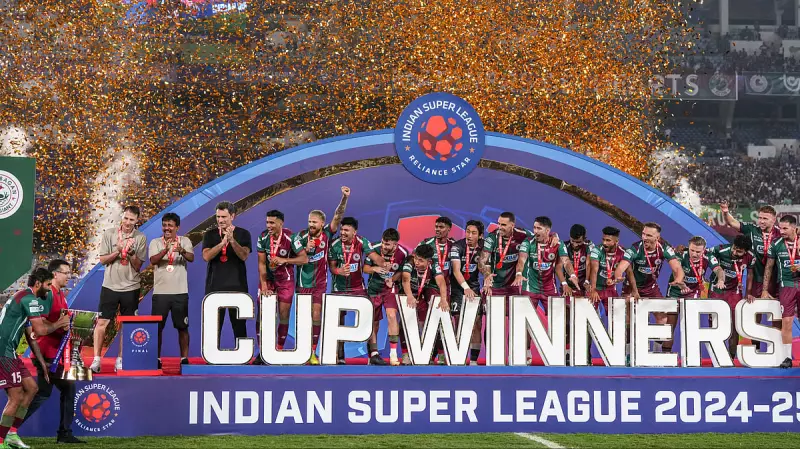
In a significant development for Indian football, clubs of the Indian Super League (ISL) have collectively pushed back against the All India Football Federation's (AIFF) recent request for a formal confirmation of their participation in the upcoming season. The core of the dispute revolves around a proposed substantial participation fee.
The Financial Sticking Point
The AIFF, the governing body for football in India, had approached the ISL franchises seeking their official commitment for the next edition of the league. However, this request came with a major financial condition that has sparked resistance. According to reports, the federation proposed a participation fee of Rs 1 crore per club.
This demand has been met with strong opposition from the team owners and management. The clubs argue that the fee is exorbitant, especially considering the context of the upcoming season. Sources indicate that the 2026 season is already planned to be a truncated or shorter format. Despite the reduced schedule, the financial burden on clubs could even increase, as the proposed fee structure suggests the amount could escalate to as high as Rs 2.5 crore per club.

Clubs Seek Clarification and Dialogue
The pushback from the ISL clubs is not merely a refusal but a call for more clarity and discussion. The franchises have requested the AIFF to provide a detailed breakdown and justification for the hefty fee. Key questions being raised include:
- The specific utilization of the collected funds.
- How the fee aligns with the commercial and sporting challenges of a shorter season.
- The overall financial model and revenue-sharing agreement between the federation and the clubs.
This standoff highlights the ongoing tensions in the professional football ecosystem in India, where the financial sustainability of clubs remains a persistent concern. The clubs' unified response signals a need for a more collaborative approach in decision-making that affects their bottom line.
Implications for Indian Football
The outcome of this disagreement could have far-reaching consequences. A failure to reach a consensus might delay the planning and scheduling of the 2026 ISL season. The league's calendar, player auctions, and commercial partnerships could all be impacted by the uncertainty.
This development was reported on 01 January 2026, marking a contentious start to the new year for Indian football administration. The ball is now in the AIFF's court to address the clubs' concerns and work towards a mutually acceptable solution that ensures the stability and growth of the country's premier football competition.