

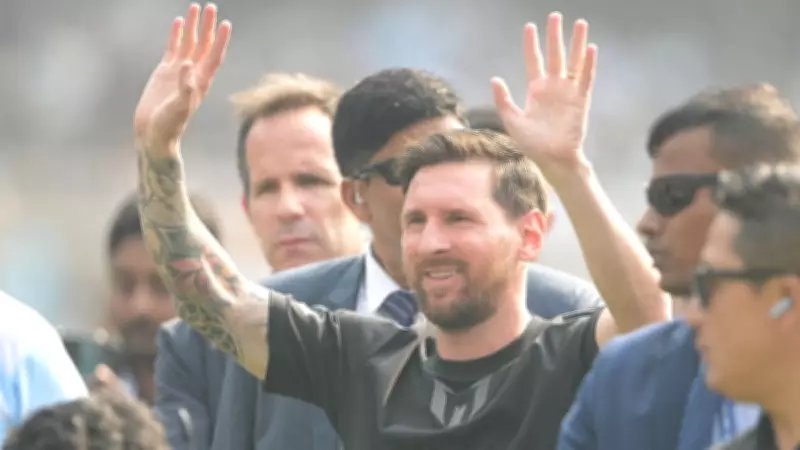
Satadru Dutta, the organiser of the highly anticipated Lionel Messi GOAT Tour, has announced his intention to file a defamation case against certain sections of the administration and police. The decision comes in the wake of the tour's cancellation, which Dutta attributes to a lack of cooperation and alleged mismanagement by the authorities.
Background of the GOAT Tour
The Lionel Messi GOAT Tour was scheduled to take place in several cities across India, with fans eagerly awaiting the chance to see the Argentine football legend. However, the tour was abruptly cancelled, leading to widespread disappointment and speculation about the reasons behind the cancellation.
Organiser's Allegations
In a press conference, Dutta expressed his frustration, stating that the administration and police failed to provide the necessary support to ensure the event's success. He claimed that despite months of planning and coordination, the authorities did not fulfil their commitments, leading to the tour's collapse. Dutta further alleged that false information was spread to malign his reputation and that of the event.

Legal Action Announced
Dutta announced that he would file a defamation case against those responsible for spreading misinformation. He emphasised that the legal action aims to clear his name and hold accountable those who hindered the tour. The organiser also called for a thorough investigation into the administrative lapses that prevented the event from taking place.
Reactions from Fans and Stakeholders
The cancellation of the Messi tour has drawn mixed reactions from fans. Many expressed disappointment on social media, while others supported Dutta's decision to seek legal recourse. Football associations and event management companies have also weighed in, highlighting the challenges of organising large-scale international events in India.
Impact on Future Events
This incident has raised concerns about the feasibility of hosting major international sporting events in the country. Experts believe that administrative inefficiencies and lack of coordination can deter future collaborations with global sports icons. Dutta's legal battle may set a precedent for how such disputes are handled in the future.
As the story develops, all eyes will be on the courts and the response from the authorities. The case is expected to bring to light the intricacies of event management and the role of government agencies in facilitating such high-profile tours.

