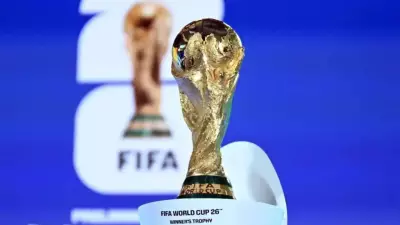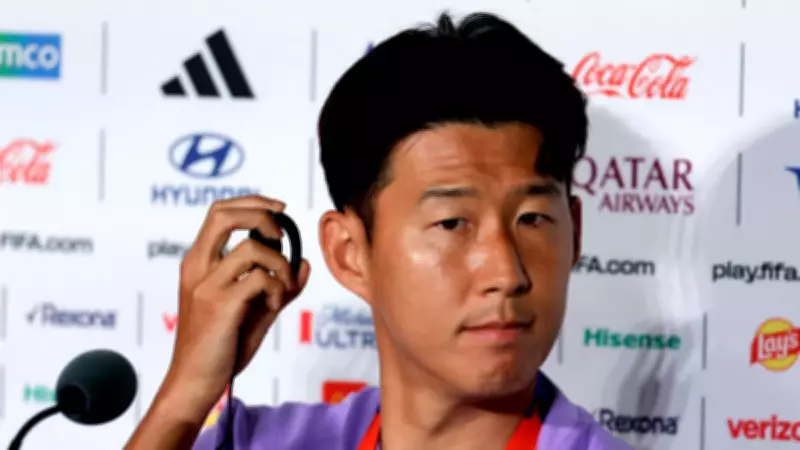
The South Korean national football team, led by captain Son Heung-min, staged a boycott of media duties during the 2026 FIFA World Cup. The protest was a direct response to what the players deemed a highly controversial officiating decision in their group stage match against Portugal.
Background of the Protest
The incident occurred during a critical group stage match where South Korea faced Portugal. A goal scored by South Korea was disallowed following an offside call that replays later suggested was incorrect. The decision proved costly as South Korea lost the match 2-1, significantly denting their chances of advancing to the knockout stages. The players, visibly frustrated, decided to express their discontent by refusing to participate in post-match press conferences and media interviews.
Team Statement
In a joint statement released through the Korea Football Association, the players explained their stance. "We feel that our efforts on the field have been undermined by decisions that lack transparency and fairness," the statement read. "This boycott is not against the media but against the system that allowed such an error to occur without accountability." The team demanded a formal review of the officiating process and the implementation of better technology to assist referees.

Reactions from FIFA and Officials
FIFA responded by expressing disappointment over the boycott, emphasizing that media duties are part of the players' contractual obligations. A spokesperson said, "We understand the emotions involved but urge all teams to fulfill their commitments. We are continuously working to improve officiating standards." However, the governing body did not announce any immediate changes to the review process.
Support from Fans and Analysts
The boycott drew mixed reactions. Many fans and football analysts supported the players, arguing that high-profile errors in crucial matches erode the integrity of the sport. Social media platforms saw an outpouring of support using hashtags like #JusticeForKorea and #SonHeungMinStand. Conversely, some critics argued that boycotting media duties was counterproductive and that the team should have used official channels to raise their concerns.
Impact on the Team's Campaign
The protest came at a pivotal moment in South Korea's World Cup campaign. The loss to Portugal left them needing a win in their final group match against Ghana, coupled with other results going their way, to progress. The team's focus on the off-field issue raised questions about their mental preparedness for the crucial fixture. Nonetheless, Son Heung-min emphasized in a brief statement before the Ghana match that the team was "fully focused on the task at hand" and that the boycott was a separate matter of principle.
Historical Context
This is not the first time a national team has boycotted media duties at a World Cup. In 2014, the Brazilian team briefly refused interviews after a disappointing performance. However, the South Korean boycott is unique in its direct link to a specific officiating decision. It highlights the growing frustration among players and coaches regarding the reliability of refereeing in high-stakes tournaments.
Conclusion
The South Korean team's boycott serves as a stark reminder of the pressures and emotions involved in World Cup football. While the protest may not change the outcome of their matches, it has sparked a broader conversation about the need for reform in officiating standards. As the tournament progresses, all eyes will be on FIFA to see if any concrete steps are taken to address these concerns.