The Elusive Permanent Role for Caretaker Managers in Football
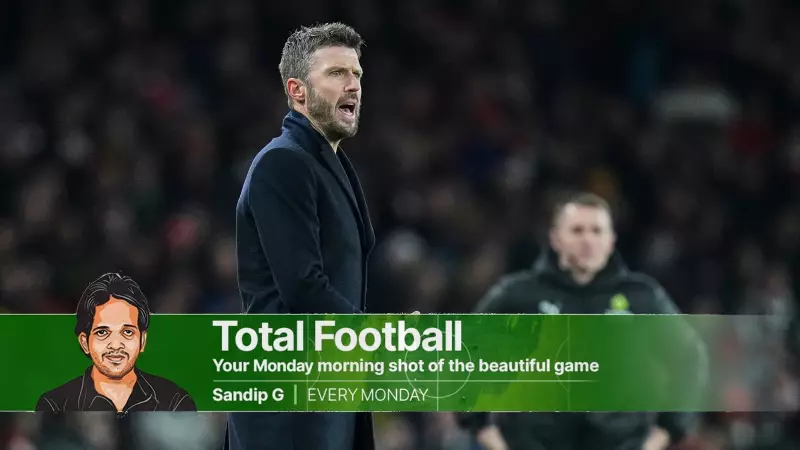
In the high-stakes world of football, caretaker managers often find themselves in a paradoxical position. They step in during crises, deliver impressive results, yet rarely secure a permanent role at the club. This phenomenon was highlighted recently when Manchester United legend Roy Keane expressed skepticism about Michael Carrick's chances, even if he wins all remaining games. The away end at the Emirates Stadium chanted Carrick's name after a liberating victory over Arsenal, but history suggests such early success may not be enough.
The Thankless World of Interim Managers
The role of a caretaker manager, or "interim manager" as it's often called today, is both cruel and rewarding. On one hand, a credible performance can enhance a manager's reputation and lead to opportunities elsewhere. On the other, their tenure typically ends with a warm handshake, a thank-you note, and a hefty reward, only for a bigger name to take over the following season. Many caretakers end up at smaller clubs, mid-table sides, or in the Championship, becoming crisis specialists hired to stave off relegation or mid-table slumps.
Michael Carrick has experienced this firsthand. After managing Manchester United briefly but successfully following Ole Gunnar Solskjaer's ouster, he soon found himself at Middlesbrough, spending three futile seasons fighting for promotion. This pattern underscores the transient nature of caretaker roles in football.

Historical Precedents and Rare Exceptions
History offers a source of cynicism regarding caretaker managers. In 34 Premier League seasons, only 21 caretaker managers have had their jobs made permanent. Of these, only a handful enjoyed reasonable success. Chelsea's Roberto Di Matteo stands out, taking over from Andre Villas-Boas and steering the club to their maiden Champions League title. He received a two-year contract but was fired by November the next season due to league failings.
Bolstering the sense of foreboding is the fact that only one of these 21 managers lasted a full season after landing the permanent job, highlighting the general distrust of stopgaps. However, there have been exceptions. Fulham's Chris Coleman, appointed at just 32, helped the club avoid relegation and lasted four seasons. Similarly, Fulham's Scot Parker and Aston Villa's Tony Parker (who engineered a European Cup triumph) found success, though with varying degrees of longevity.
The Grand Exception: Mario Zagallo
The grandest success story involves Brazilian legend Mario Zagallo. A shrewd tactician and industrious winger, Zagallo was reappointed as Brazil's manager before the 1970 World Cup under fascinating circumstances. His predecessor, João Saldanha, a journalist managing part-time, was ousted after a lone defeat and controversial decisions, including plans to drop Pelé. Zagallo answered the SOS call, recalled Pelé, and led Brazil to a devastatingly brilliant World Cup triumph, considered by many pundits as the most flawless title stroll in history.
Zagallo's success was attributed to his deep understanding of Brazil's DNA, his ability to handle egos, and his own footballing pedigree. This argument is often put forth in favor of caretakers like Carrick, who know their club's ethos. However, as seen with Manchester United, what constitutes "club DNA" can be vague and driven by personality cults rather than structured systems.
The Case Against Caretakers: Lessons from Solskjaer
The precedent of Ole Gunnar Solskjaer at Manchester United offers a cautionary tale. Replacing Jose Mourinho, Solskjaer inspired an instant turnaround and led the team to a second-place finish in his first full season. Yet, a lackluster start to the next season saw him dismissed. Throughout his reign, skepticism persisted that he hadn't proven enough to manage a club of United's heritage, despite management vetoing some of his transfer targets, like Erling Haaland and Jude Bellingham.

A similar fate could befall Carrick, even if he rides United to European qualification. Beating top teams like Manchester City and Arsenal in his first two games is impressive, but it may not secure him a permanent gig next season. This reflects the broader fate of caretakers in football—a world where early success often leads to temporary acclaim rather than long-term trust.