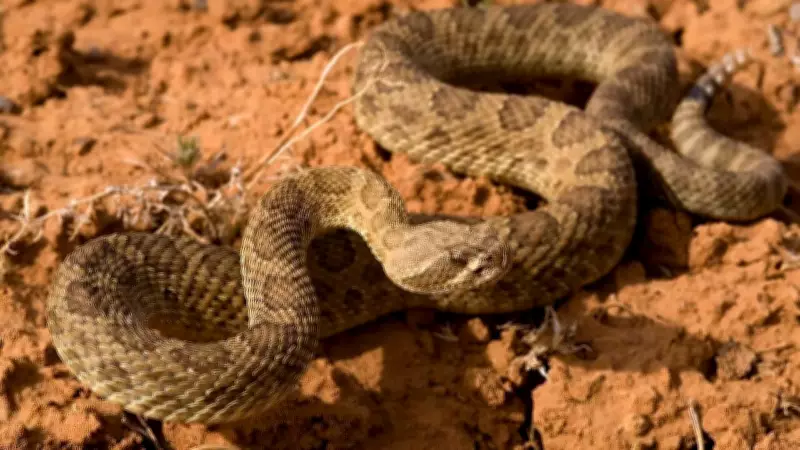
Water shapes much of South Dakota's wildlife. Along broad reservoirs, winding rivers and quiet stretches of shoreline, conditions remain favourable for a variety of reptiles that rely on warmth, cover and a steady food supply. Snakes are part of that picture. Most spend their lives out of sight, slipping through grass, sheltering beneath rocks or hunting small prey along wetland edges.
The state's snake diversity is not especially high compared with parts of the American South, yet waterways still act as gathering points for several species. Rodents, frogs and fish tend to concentrate near water, and snakes follow. For visitors, encounters are usually brief. A snake crossing a trail or disappearing into vegetation is far more common than any close interaction. Only one species in South Dakota, the prairie rattlesnake, carries medically significant venom, and it generally avoids people whenever possible.
South Dakota’s Snake-Filled Waters
1. Missouri River
The Missouri dominates South Dakota's landscape. Its enormous channel, associated wetlands and broad floodplains create habitat that attracts wildlife on a large scale, snakes included. Bullsnakes are among the species most often seen near the river corridor. They favour open country, grasslands and areas where rodents are plentiful. Their size can surprise people, with some individuals reaching lengths that rival much larger snake species found elsewhere in North America. Because of their patterned bodies, they are frequently mistaken for rattlesnakes by those unfamiliar with local wildlife. Prairie rattlesnakes also occur in parts of the Missouri basin, though they tend to favour drier ground and rocky slopes above the river rather than the water's edge itself.

2. Cheyenne River
Western South Dakota becomes increasingly rugged along stretches of the Cheyenne River. Rocky terrain, exposed hillsides and sparse vegetation create exactly the kind of environment prairie rattlesnakes prefer. The species uses sunlit slopes to regulate body temperature and often shelters among cracks and rock piles. Bullsnakes share portions of the same landscape, while racers move quickly through open valleys in search of prey. The river remains relatively isolated compared with some of the state's recreation areas, which helps keep wildlife disturbances low.
3. Big Sioux River
Conditions along the Big Sioux River differ considerably from those found in western South Dakota. Wetlands, grassy margins and slow-moving backwaters support a different mix of species. Plains garter snakes are common in these environments, often appearing near ponds and marshy sections where amphibians are abundant. Lined snakes also occur in the region, although they are less frequently observed. Among the more unusual residents is the Eastern hognose snake. Famous for its dramatic defensive displays, it may flatten its neck, hiss loudly or even roll over and pretend to be dead when threatened. Despite the theatrics, it presents little danger to people.
4. Lewis and Clark Lake
Positioned along the South Dakota–Nebraska border, Lewis and Clark Lake combines shoreline wetlands, grassland habitat and rocky uplands within a relatively compact area. Garter snakes are regularly spotted near the water, particularly during warmer months. Higher ground supports prairie rattlesnakes, which use rocky features and sun-exposed slopes as shelter and basking sites. Smaller species also inhabit the surrounding countryside. Ring-necked snakes, though rarely seen, occupy concealed spaces beneath logs, stones and accumulated vegetation. Most visitors never realise they are nearby.
5. Lake Oahe
Lake Oahe stretches for hundreds of kilometres through the northern plains and ranks among the largest reservoirs in the United States. Its immense shoreline passes through a patchwork of prairie, coulees and rocky bluffs. Those varied landscapes support both bullsnakes and prairie rattlesnakes. The latter are especially associated with dry slopes and rocky shelter sites overlooking the water. During periods when reservoir levels shift, wildlife managers occasionally observe snakes concentrating in newly exposed areas where suitable cover remains available. The sheer scale of the reservoir means suitable reptile habitat occurs across large sections of the shoreline.

6. Lake Francis Case
Created by the construction of Fort Randall Dam, Lake Francis Case has become one of the Missouri River system's defining features in South Dakota. Rocky hillsides and prairie vegetation provide favourable conditions for snakes that thrive in open country. Prairie rattlesnakes occupy crevices and exposed ground where they can absorb warmth from the sun, while bullsnakes patrol nearby grasslands in search of rodents. The surrounding recreation areas attract campers, anglers and boaters throughout the summer. At the same time, warm weather also brings increased snake activity, making awareness of footing around rocks and tall vegetation worthwhile.
7. Sylvan Lake
Few lakes in South Dakota are as visually distinctive as Sylvan Lake in the Black Hills. Granite formations rise directly from the shoreline, creating a landscape that attracts hikers, climbers and photographers. Those same rock formations offer shelter for prairie rattlesnakes. Crevices, ledges and sunlit surfaces provide the combination of protection and warmth that reptiles seek. Although sightings are not everyday occurrences, the habitat is well-suited to the species. Climbers and hikers occasionally encounter snakes in places where human routes overlap with natural shelter sites.
8. Sheridan Lake
Sheridan Lake sits within the Black Hills National Forest, surrounded by woodland and open meadows rather than the broad prairie landscapes found elsewhere in the state. Eastern yellow-bellied racers are among the more noticeable snakes in the area. They are fast-moving, alert and often disappear before observers get a clear look. Eastern hognose snakes also occur around the lake, particularly in sandy and lightly vegetated locations. Neither species is considered dangerous, though they may defend themselves if cornered or handled. In most cases, they simply move away.