Former NFL Star's Tipping Query Ignites Widespread Social Media Controversy
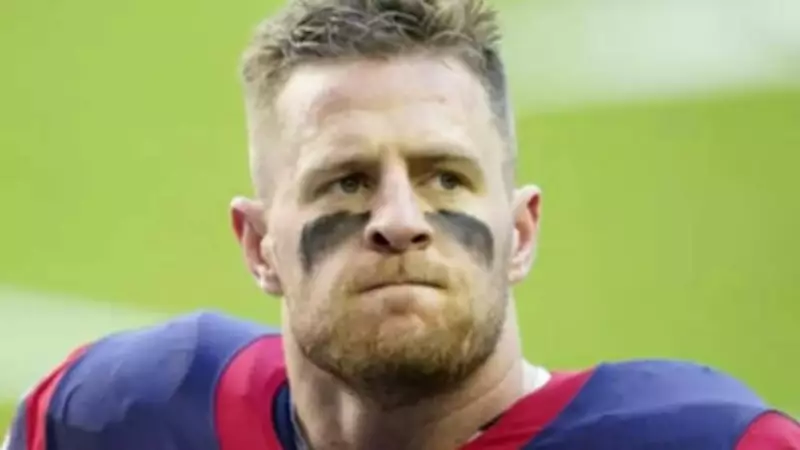
Former NFL defensive end J.J. Watt has inadvertently sparked a major cultural conversation by posing a simple yet provocative question about tipping practices in self-service restaurants. The Houston Texans legend shared his query on social media, where it rapidly gained traction and crossed four million views, demonstrating the intense public interest in modern gratuity norms.
The Self-Service Tipping Dilemma
Watt described a scenario familiar to millions of American consumers: customers approach a counter to place their order, locate their own seating, and retrieve their meals when notified by a buzzer system. Despite this hands-on approach where patrons perform what would traditionally be server duties, the payment terminal still presents tipping options—typically with 20 percent pre-selected among choices that often include 25 and 30 percent alternatives.
"You walk up to a counter to order... you find your own table and seat yourself," Watt detailed in his viral post. "If you order coffee, they hand you a cup and you go fill it up yourself. If you order food, they hand you a buzzer and when it goes off, you go pick it up yourself." His fundamental question—what should customers do when faced with tipping prompts in such fully self-service environments—has divided both fans and public figures across digital platforms.

Clashing Perspectives from Fans and Media Personalities
The discussion quickly evolved into a broader examination of American tipping culture, with participants expressing starkly different viewpoints. One fan challenged Watt directly, writing, "I tip simply because I know that servers live in poverty. With your vast wealth you should do so also." Watt responded by clarifying his position: "I tipped. Obviously. But there are no servers in this situation, which is why I asked the question. It was fully self service."
Emmy Award-winning cameraman Kirby Hilderbrand contributed a personal guideline he follows: "A friend told me 'if you stand to order, do not tip.' Followed that mantra ever since." Meanwhile, columnist and podcaster Jason Whitlock advocated for continued tipping regardless of service level, arguing, "You have been incredibly blessed in your life. A mindset of gratitude is why you should tip." Whitlock suggested that "a 15 percent tip is appropriate, and if it is a place you visit often, leave 20 percent."
Broader Cultural Frustration with Tipping Norms
This viral exchange reflects growing national dissatisfaction with tipping expectations. According to recent survey data from WalletHub:
- More than 80 percent of Americans believe tipping culture has spiraled out of control
- Over two in five respondents support completely eliminating tipping practices
- Many consumers report confusion and frustration about when and how much to tip
The debate highlights how digital payment systems with pre-programmed tipping suggestions have transformed customer interactions, creating awkward moments at checkout counters nationwide. As tipping prompts appear in increasingly diverse retail environments—from coffee shops to fast-casual restaurants—Americans are grappling with evolving social expectations around gratuity.
Watt's seemingly simple question has revealed deep societal divisions about service, compensation, and consumer responsibility in contemporary American commerce. The massive response indicates that tipping culture represents more than just a financial transaction—it has become a flashpoint for broader discussions about labor practices, economic inequality, and changing service industry dynamics.