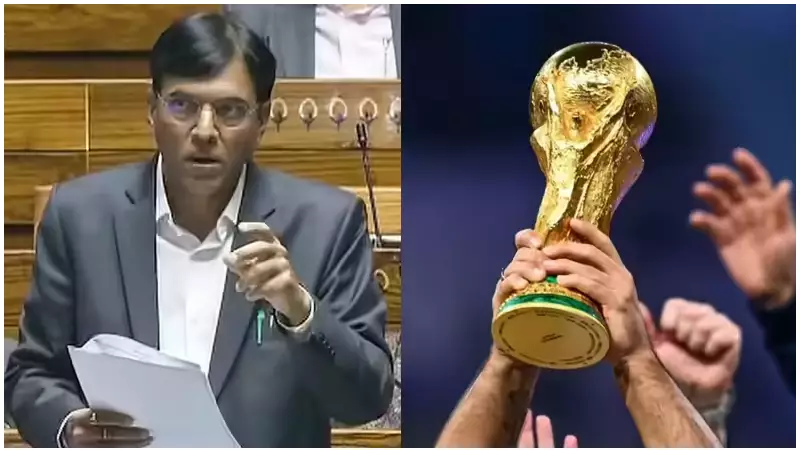
In a significant announcement, Union Minister for Sports and Youth Affairs Mansukh Mandaviya declared on Thursday that India has formally decided to bid for hosting the prestigious 2036 Olympic Games. The government is now initiating a comprehensive plan to bridge the existing gaps in the country's sporting infrastructure and develop facilities of international standards.
Blueprint for World-Class Sports Facilities
Mandaviya, speaking at a public event, revealed that a detailed analysis has been conducted to identify shortcomings in India's sports infrastructure. Based on this assessment, a working plan has been formulated to create and upgrade facilities to meet global benchmarks. A key part of this strategy involves integrating infrastructure owned by various central, state, and private entities under a unified framework to assess and strengthen them collectively.
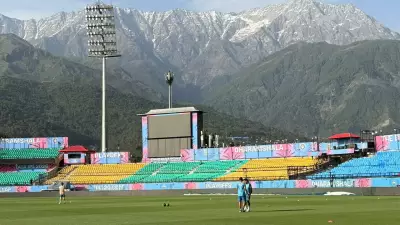
One of the flagship projects under this initiative is the transformation of the iconic Jawaharlal Nehru Stadium in Delhi into a "sports city" of global standard. This redevelopment is poised to become a central hub for elite training and international competitions.

Boosting Sports Culture and Manufacturing
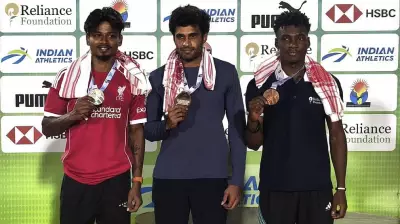
The minister highlighted that the recent tour of football legend Lionel Messi across Indian cities gave a substantial boost to the sports culture in the nation. Addressing the organizational hiccups witnessed during some of those events, Mandaviya acknowledged that management is steadily improving, citing the successfully organized World Para-athletic Championship as an example.
Looking ahead, the minister expressed confidence in India's improving performance on the world stage, predicting a rise in the medals tally in coming years. To further institutionalize support for sports, the government will soon unveil a new scheme focused on the manufacturing of sports equipment and goods, aiming to build a robust domestic industry.
Broader Reforms: Labour Codes
In his capacity as the Minister of Labour and Employment, Mandaviya also outlined parallel reforms in the labour sector. He confirmed the government's decision to repeal 26 existing labour laws and consolidate them into four streamlined labour codes. These reforms are designed to strengthen India's workforce and provide a foundation for sustained long-term economic growth, aligning with the broader vision of national development that includes sporting excellence.
The bid for the 2036 Olympics, therefore, is not just an aspiration for a mega-event but is being positioned as a catalyst for a systemic upgrade of India's sports ecosystem, manufacturing capacity, and related infrastructure over the next decade.