A major controversy in the boxing ring at the Paris 2024 Olympic Games has forced the International Olympic Committee (IOC) to urgently reconsider its framework on gender eligibility and inclusion in women's sports. The incident, involving a dispute over an athlete's eligibility, has highlighted the growing complexity and global debate surrounding fairness and inclusion in female athletic competitions.
The Paris 2024 Boxing Controversy That Sparked Change
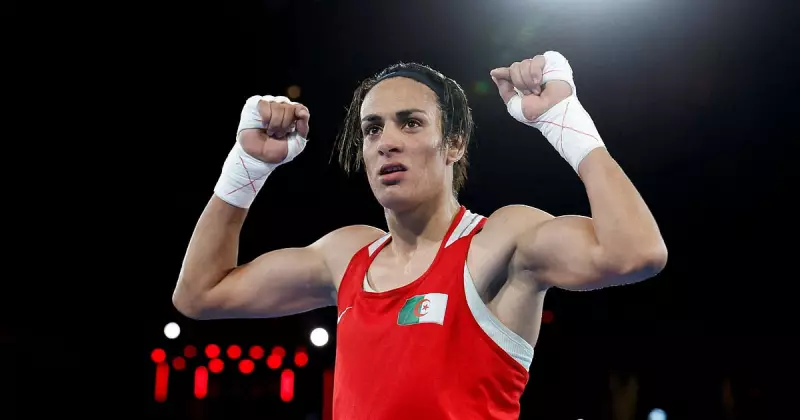
The flashpoint occurred during the women's boxing competitions in Paris. According to reports, a formal protest was lodged against the participation of Algerian boxer Imane Khelif. Her opponent, and the team representing Italy, challenged her eligibility to compete in the women's category. The dispute centered on results from an approved testosterone test.
The International Boxing Association (IBA) had previously declared Khelif ineligible for women's events. However, the IOC, which oversaw the boxing tournament in Paris after suspending the IBA, permitted her to compete. This decision ignited immediate and fierce debate, with the Italian team arguing it compromised the principle of fair competition. The situation underscored the lack of a unified, clear international standard, placing athletes, officials, and the Olympic movement itself in a difficult position.

IOC's Response and the Path to LA 2028
In direct response to the Paris incident, the IOC has announced a comprehensive review of its current guidelines. The existing framework, which places the burden of proof on individual sports federations and emphasizes a case-by-case approach without prescribed testosterone limits, is now under scrutiny. The committee aims to establish a more coherent and universally applicable set of rules before the next Summer Games in Los Angeles in 2028.
This review process is expected to be highly consultative. The IOC will engage with a wide range of stakeholders, including sports scientists, medical experts, human rights organizations, athletes' commissions, and the various International Federations (IFs) that govern each sport. The challenge is monumental: balancing the commitment to inclusion and non-discrimination with ensuring fair and safe competition for all female athletes.
Broader Implications for Women's Sport Worldwide
The repercussions of this rethink extend far beyond the boxing ring or the Olympic stage. The IOC's eventual policy will likely set a precedent that national sports bodies and federations across the globe, including in India, will follow. Sports like athletics, swimming, and weightlifting, which have also grappled with eligibility questions, will be watching closely.
The core of the debate hinges on defining the conditions for participation in female categories. Key questions include the role of testosterone levels, the impact of male puberty on athletic performance, and the rights of athletes with Differences of Sex Development (DSD) or transgender women. The Paris boxing row has made it clear that the status quo is unsustainable, creating inconsistent outcomes and fueling disputes that overshadow the athletic achievements.
As the IOC embarks on this critical review, the global sports community awaits a resolution. The goal for LA 2028 is a robust, science-informed, and ethically sound framework that provides clarity and fairness for every athlete dreaming of Olympic glory.