Russia and Belarus Excluded from National Competition at 2026 Winter Olympics
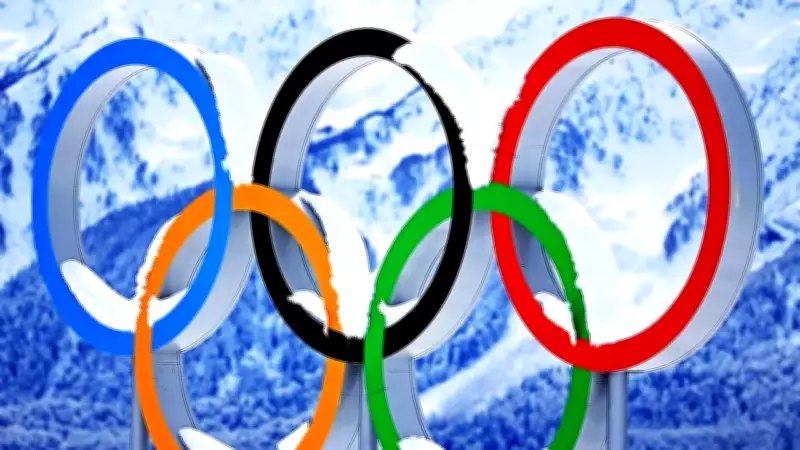
The International Olympic Committee has confirmed that Russia and Belarus will not participate as national teams in the upcoming 2026 Winter Olympics in Milan and Cortina. This significant decision follows Russia's invasion of Ukraine in February 2022 and Belarus's subsequent support of military actions. The global sporting community has been closely monitoring this development as it represents one of the most substantial geopolitical impacts on Olympic participation in recent history.
Complete Ban on National Representation
The IOC suspended the Russian Olympic Committee in October 2023, resulting in the complete removal of national representation for both countries. This means athletes from Russia and Belarus will not march under their national flags during opening ceremonies, will not hear their national anthems if they win medals, and will not appear on the official Olympic medal table. The decision mirrors similar measures implemented during the Paris 2024 Summer Olympics and represents an escalation of sanctions that began with Russia's annexation of Crimea in 2014.
Funding for both national Olympic committees has been terminated, and they have lost all rights to send official delegations to the Milan-Cortina Games. Belarus faces identical restrictions due to its support of Russia's military operations in Ukraine. These measures ensure that neither country will have formal representation at any Olympic venue throughout the competition period.

Limited Participation as Individual Neutral Athletes
Despite the comprehensive ban on national participation, a select group of athletes from Russia and Belarus will compete under the designation of Individual Neutral Athletes (AIN). These competitors undergo rigorous eligibility checks and must adhere to strict conditions that prohibit any display of national symbols, colors, or flags during competition.
The AIN athletes were notably absent from the parade of nations during opening ceremonies in Milan, Cortina, and Livigno. However, they will be permitted to attend the closing ceremony in Verona, where athletes traditionally enter together rather than by national delegation. This represents a subtle but significant distinction in their participation status throughout the Games.
Medal Performance Under Neutral Status
Only one Individual Neutral Athlete has secured a medal thus far in the competition. Nikita Filippov earned a silver medal in the men's ski mountaineering sprint final, competing without national representation. No neutral athlete has won gold, which would have triggered the Olympic anthem instead of any national anthem during medal ceremonies.
Other notable performances include Russian figure skater Adeliia Petrosian, who placed sixth after a fall during her free skate program. The absence of gold medals by neutral athletes has prevented potentially awkward ceremonial situations that might have highlighted their unique status within the Olympic framework.
Future Olympic Participation Uncertain
There are currently no plans to restore Russia or Belarus to full Olympic status in the foreseeable future. The International Paralympic Committee has taken a slightly different approach, allowing limited participation in upcoming events, but IOC president Kirsty Coventry emphasized that these organizations operate independently.
The question of whether Russia will receive clearance for the 2028 Summer Games in Los Angeles remains completely unresolved. The ongoing geopolitical situation continues to influence Olympic participation decisions, creating uncertainty about when or if these nations might return to full Olympic status. The Milan-Cortina Games therefore represent a significant moment in Olympic history where geopolitical conflicts have directly shaped athlete participation at the world's premier sporting event.